Tutti i case study
Case study
Cutting SLR screening from three weeks to one
An SLR manager at an HEOR consultancy runs client dual-screening reviews around 60% faster while keeping independent screening and PRISMA intact.
HEOR / Evidence SynthesisSystematic ReviewDual ReviewExtract DataPRISMA reporting
Now the evidence for each criterion is already cited into the full text when our reviewers open a paper. Screening that took three weeks takes one, and the PRISMA numbers come from the review itself.
Panoramica
Elena manages systematic reviews at an evidence-synthesis consultancy delivering SLRs and HTA-supporting reviews to pharma and payer clients, against fixed fees and formal standards.
La sfida
Dual screening was the bottleneck: two reviewers independently screening thousands of abstracts, then reconciling disagreements in a spreadsheet, consumed most of a project timeline. A screening platform, a separate search tool, extraction spreadsheets, and a document editor didn’t talk to each other, so analysts spent hours moving data and rebuilding the audit trail at the end.
Come si inserisce Paperguide
Paperguide runs the whole SLR workflow in one place and moves the slow part, finding the evidence inside each paper, ahead of the reviewer, so dual screening stays rigorous but stops being the bottleneck.
Nella pratica
On a recent client engagement, Elena’s team took on a systematic review of clinical outcomes for minimally invasive versus open surgery in colorectal cancer, the kind of dual-screened review a client expects to withstand an HTA assessor’s scrutiny. Dual screening is where these projects have always bogged down: two reviewers reading thousands of abstracts independently, then a third person reconciling every disagreement in a spreadsheet.
The shift in Paperguide is subtle but decisive. Both reviewers still screen every abstract and full text independently, and a conflict resolver still settles disagreements, the rigor of dual screening is untouched. What changes is that when a reviewer opens a paper, the evidence for each eligibility criterion is already there, pulled from the text and cited to where it sits in the document. A screening decision that used to mean reading a full paper to find the population and the endpoint now means reading a few cited sentences. Reviewers move faster and, because they are both looking at the same extracted evidence, they disagree less often on the same paper. When they do disagree, the resolver has the same evidence in front of them. Excluded studies carry their documented reason automatically, and for the studies that make it through, the team extracts design, population, intervention, comparator, outcomes, effect estimates and follow-up into a cited table they can export straight into their meta-analysis software.
The result is the part that matters to a consultancy’s economics: screening that used to run three weeks runs closer to one, so the team delivers more reviews per analyst, and the PRISMA diagram and decision trail, the things a client audits, come straight out of the workflow rather than being reconstructed at the end.
Le funzionalità al lavoro qui: Systematic Review, Dual Review, Extract Data, PRISMA reporting.
I risultati
- Screening cycles around 60% faster, dual screening and conflict resolution intact
- More reviews delivered per analyst, improving margin per engagement
- Audit-ready PRISMA and decision trail on every deliverable
Altri case study

<1 weekfor a 2,000-paper PRISMA review
A 2,000-paper PRISMA review screened and extracted in a fraction of the time, without loosening the criteria.
Read case study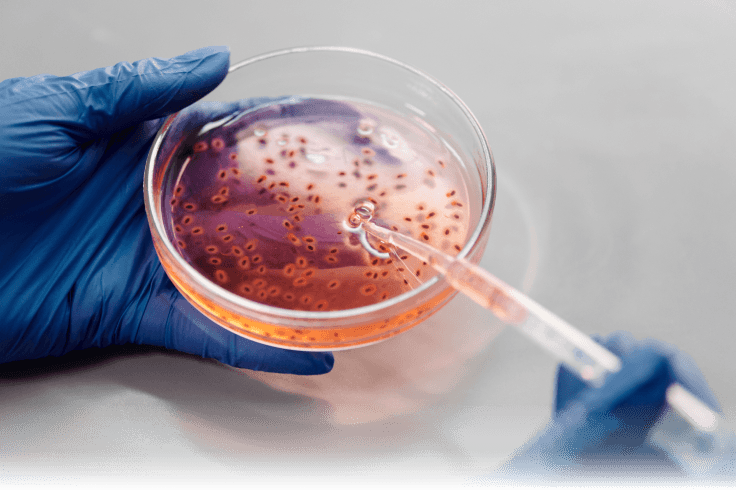
6×faster paper analysis
Three separate tools became one workspace, so reading, extracting, and comparing papers happens in a single pass.
Read case study
83%faster review across 100 papers
Custom-column extraction across hundreds of nanomedicine papers, every value cited back to its source.
Read case studyInizia da una domanda
Chiedi qualcosa che volevi approfondire da tempo. Paperguide troverà gli articoli, e tu potrai spingerti fin dove il lavoro lo richiede.