導入事例一覧
導入事例
A 2,000-paper PRISMA review, from weeks to under a week
Founder of an autism-technology startup cut detailed screening and extraction from 5-8 weeks to under one week, without loosening PRISMA rigor.
HEOR / Evidence SynthesisAcademicSystematic ReviewExtract Data
Paperguide fundamentally improved the quality and credibility of my research. The sheer volume of articles retrieved from a search meant that time constraints often forced me to rely on less comprehensive criteria, creating a significant risk as a study with a highly relevant methodology but a less descriptive abstract could be prematurely excluded.
概要
Diego Cesar founded a Brazilian autism-technology startup and is a master’s student with degrees in both software engineering and psychology. Systematic reviews are how he decides what to build: he maps the state of the art in autism intervention, finds the gaps, and develops technology to close them.
課題
Determining the state of the art through a PRISMA-framework review took weeks. The volume was the problem, a single search returned so many articles that time pressure pushed him toward looser criteria, and that risked excluding a methodologically strong study just because its abstract was thin. For research that justifies a product direction, that blind spot was expensive.
Paperguideの活用
Paperguide became part of his review process, not a replacement for his judgment. He runs the first PRISMA pass on titles and abstracts himself, then brings the surviving studies into Paperguide for structured, full-text evaluation, putting the tool to work on the slow, high-stakes decision of what is actually in.
実際の使い方
Diego’s flagship review asked a deceptively simple question: what does the evidence actually say about parent-training interventions for Autism Spectrum Disorder? Answering it meant confronting nearly 2,000 articles pulled from PubMed, Lilacs, Scielo, and Brazilian thesis databases, far more than he could read closely under a startup’s timeline.
His old approach forced a painful trade. To get through the volume, he had to lean on quick abstract judgments, which meant a study with rigorous methodology but a poorly written abstract could be cut before anyone looked at its methods. For research that decides what his company builds, that was the kind of error he couldn’t afford.
In Paperguide, he keeps his own first PRISMA pass over titles and abstracts, then hands the survivors to the platform for the part that actually determines quality: full-text screening against criteria he defines. Instead of skimming an abstract and guessing, each paper is screened on its full text against his eligibility rules, so a strong study no longer disappears because of a weak summary. From there he sets up structured extraction, methodology, sample size, outcomes as columns, and compares hundreds of included studies side by side rather than transcribing them one at a time into a spreadsheet. What used to be five to eight weeks of screening and extraction collapsed to under a week, and, more importantly to him, the review got more comprehensive rather than less, because comprehensiveness was no longer the thing he sacrificed to hit a deadline.
この事例で活躍している機能:Systematic Review, Extract Data。
成果
- Detailed screening and extraction from 5-8 weeks to under one week (90%+ reduction)
- A 2,000+ article pool processed with a methodological-validation layer manual review could not sustain
- Higher confidence the selection was exhaustive and systematic
Paperguide is an amazing asset that transforms the time-consuming processes of research keeping the methodological rigor and confidence in the research findings.
その他の導入事例
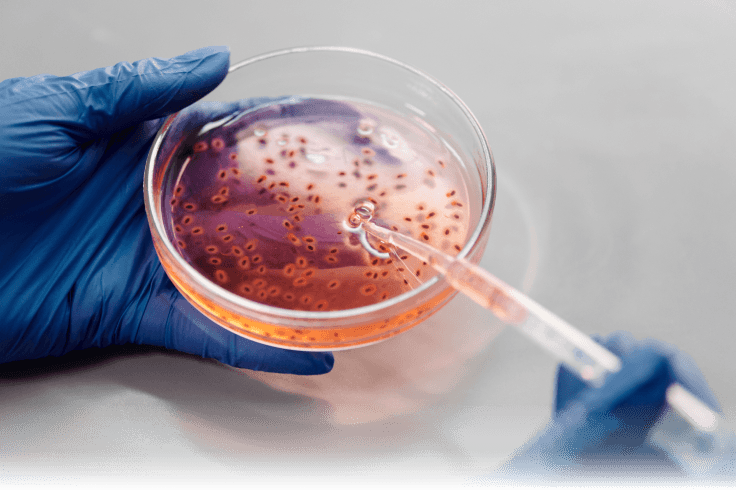
6×faster paper analysis
Three separate tools became one workspace, so reading, extracting, and comparing papers happens in a single pass.
Read case study
83%faster review across 100 papers
Custom-column extraction across hundreds of nanomedicine papers, every value cited back to its source.
Read case study
6 weeksfor a review that took 3 months
A meta-analysis that surfaced contradictions a manual review would have missed, in half the time.
Read case study