

Latest Research on Alzheimer's Prevention: A Synthesis of Modifiable Risk Reduction, Multidomain Intervention, and Early Biomarker-Guided Prevention
Reviewed by
Shrishti, Research ReviewerPowered by
Paperguide Literature Review Agent
Updated on
28 Jul 2026
Abstract
Recent research suggests that Alzheimer's prevention is most plausibly achieved through a combination of population-wide risk reduction, personalized multidomain intervention, and biomarker-guided early treatment, rather than any single stand-alone strategy. The strongest evidence comes from prevention trials and guideline syntheses showing that modifiable risk-factor management can improve cognition and dementia risk profiles, with a 2-year personalized multidomain intervention yielding a composite cognitive effect of 0.14 SD (95% CI 0.03-0.25; P = .02) and improved risk-factor score of 0.11 SD (95% CI 0.01-0.20; P = .03), while lifestyle-linked cohort evidence shows that adults aged 65 years and older with four or five healthy factors lived longer and spent a smaller proportion of remaining years with Alzheimer's dementia than those with zero or one factor. At the same time, biomarker-enriched secondary prevention is moving earlier in the disease course, exemplified by asymptomatic adults aged 55 to 80 with intermediate to elevated amyloid burden in the AHEAD 3-45 design and cognitively unimpaired PSEN1 E280A kindred members aged 30 to 60 in crenezumab prevention research. Across the literature, physical activity, vascular risk control, sleep, nutrition, cognitive stimulation, social engagement, and precision biomarker-based targeting recur as core prevention levers, but effect estimates are more consistent for cognitive and risk-profile endpoints than for incident dementia itself. The evidence supports early, multidomain, and individualized prevention, while also highlighting implementation barriers, treatment-related adverse events such as musculoskeletal pain, and unresolved heterogeneity in how best to translate these strategies into routine practice.
1. Introduction
Alzheimer's disease remains a major and growing public health challenge because pathological changes begin long before clinical symptoms, often across a long preclinical interval during which prevention may still be possible. Contemporary prevention research reflects this shift in thinking: rather than treating dementia only after it becomes clinically manifest, investigators now focus on modifiable risk factors, multidomain behavioral interventions, vascular health, and biomarker-based early identification of risk. This broader prevention agenda is grounded in the recognition that dementia is multifactorial and that potentially modifiable exposures may account for a substantial share of cases, while also acknowledging that some individuals carry genetic or biomarker-defined vulnerability that may justify more targeted intervention.
The recent literature also shows a conceptual expansion in prevention strategy. Some work emphasizes lifestyle and population-level risk reduction, including physical activity, healthy diet, sleep, cognitive stimulation, smoking avoidance, and management of cardiovascular and metabolic health. Other studies focus on personalized prevention, using health coaching, nurse visits, and individualized risk-factor goals for older adults at elevated risk. A further strand of research moves into secondary prevention at the preclinical stage, testing whether anti-amyloid therapies or trial-ready recruitment systems can intervene before symptoms arise. Guidelines and consensus documents increasingly translate this evidence into practical frameworks for primary care, memory clinics, and public health policy.
However, the evidence base is heterogeneous in population, design, and outcome definition. Some studies assess cognitive scores or risk profiles, whereas others examine life expectancy with and without Alzheimer's dementia, biomarker change, or theoretical prevention potential. The challenge is therefore not simply whether prevention is possible, but which strategies appear most defensible for which populations and with what certainty. This review synthesizes the most recent research on Alzheimer's prevention to clarify the current evidence landscape, identify converging themes, and distinguish robust findings from areas where evidence remains tentative.
2. Methods
2.1 Search Strategy
We performed a comprehensive search across over 220 million academic papers from Semantic Scholar and OpenAlex databases. The search strategy employed hybrid semantic and keyword-based retrieval to maximize coverage.
Search queries included:
- "Alzheimer's prevention risk reduction in older adults recent studies"
- "Dementia prevention cognitive decline interventions and protective factors"
- "Alzheimer disease primary prevention lifestyle pharmacologic strategies"
- "Prevention of Alzheimer's disease randomized trials and cohort evidence"
2.2 Study Selection
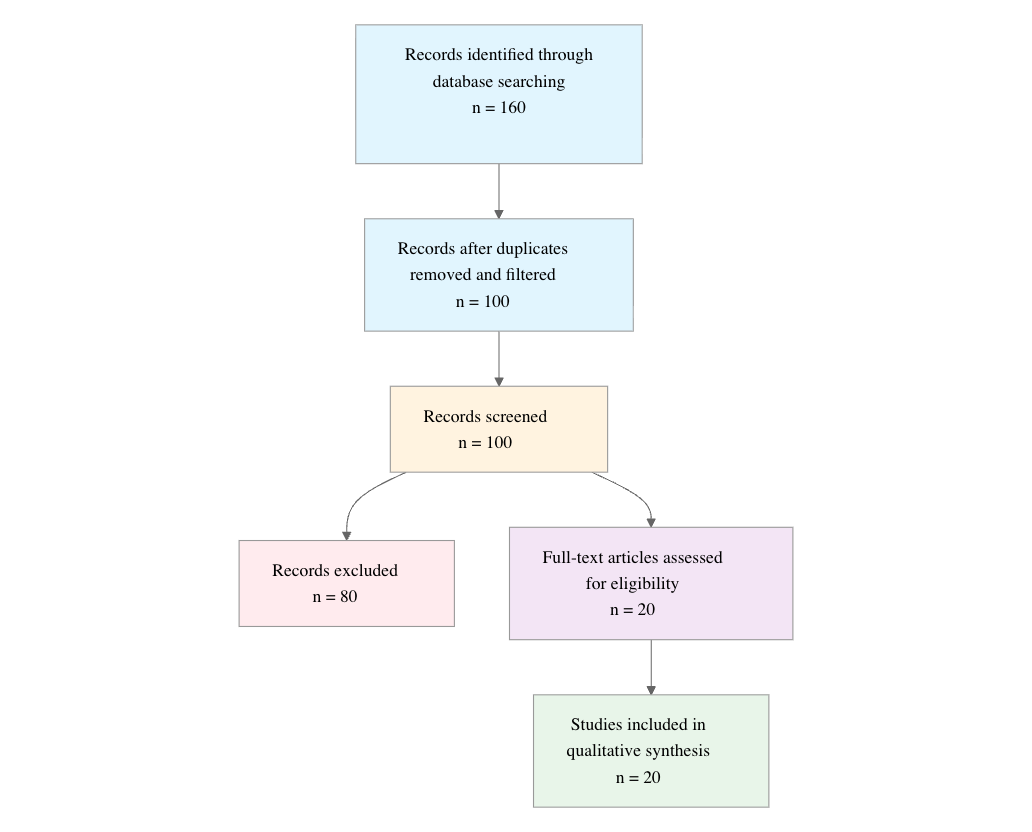
Initial database searching identified 160 records. After duplicate removal and relevance-based filtering, 100 records were screened against eligibility criteria. Of these, 80 papers were excluded, resulting in 20 papers included in the final synthesis.
PRISMA Flow Diagram
Eligibility criteria included:
- Human Study: Does the study involve human participants or human data rather than animal, cell, or simulation-only research?
- Alzheimer's Focus: Does the study specifically address Alzheimer's disease prevention, dementia prevention with AD-relevant outcomes, or slowing progression toward AD?
- Prevention Strategy: Does the study evaluate a prevention strategy, protective exposure, or risk-reduction approach rather than only diagnosis or treatment of established dementia?
- Recent Evidence: Was the study published in 2020 or later?
- Outcome Measure: Does the study report incident dementia/AD, cognitive decline, conversion to MCI/AD, or AD-relevant biomarkers as an outcome?
- Original or Review: Is the paper an original study, systematic review, meta-analysis, or guideline relevant to prevention?
- Longer Follow-up: Does the study include follow-up of at least 6 months or a longitudinal design?
- Large Sample: Does the study include a substantial sample size or multi-cohort evidence (e.g., n≥100)?
All included studies met the stated eligibility criteria.
2.3 Data Extraction and Synthesis
Data extraction focused on prevention focus, population, study design, intervention, outcome, key finding, evidence type, and safety/feasibility. Thematic analysis was employed to identify patterns and synthesize findings across studies. Evidence strength was assessed based on consistency of findings and the quality of study designs.
3. Results
3.1 Characteristics of Included Studies
| Study and Year | Study Type | Population | Intervention/Exposure | Main Outcome |
|---|---|---|---|---|
| Zhang et al. [1] | Review | Non-demented elderly and middle-aged individuals | Modifiable risk-factor reduction | Prevention or delay of Alzheimer's onset |
| Rafii et al. [2] | Trial design | Cognitively unimpaired adults aged 55 to 80 with amyloid enrichment | Lecanemab with PET/plasma biomarker screening | Biomarker change and cognitive decline |
| Yu et al. [3] | Systematic review and meta-analysis | Cognitively normal adults, subjective cognitive decline, and MCI | Lifestyle, vascular risk control, cognitive training, multidomain prevention | Incident AD/dementia and cognitive decline |
| Frisoni et al. [4] | Guideline | At-risk individuals with intact cognition | Brain Health Services with risk assessment and multidomain intervention | Reduced dementia risk and cognitive decline |
| De la Rosa et al. [5] | Review | Older adults, cognitively normal or early decline | Aerobic and resistance exercise | Cognition maintenance and delayed dementia onset |
| Grande et al. [6] | Narrative review | Ageing population at dementia risk | Cardiovascular health, cognitive stimulation, healthy lifestyle | Reduced dementia incidence and decline |
| Hafdi et al. [7] | Systematic review and meta-analysis | Older adults, unselected or at increased risk | Multidomain interventions | Incident dementia, cognitive function, mortality |
| Chowdhary et al. [8] | Guideline | Global population, especially low- and middle-income countries | Multisectoral risk reduction | Reduced dementia risk or delayed progression |
| Reuben et al. [9] | Review/guideline | Adults aged 65 years or older and 90 years or older | Modifiable risk-factor management; treatment context included | Cognitive and functional decline outcomes |
| Sabbagh et al. [10] | Guideline/consensus | Patients at risk for cognitive decline | Lifestyle recommendations across six domains | Reduced cognitive decline risk |
| Dhana et al. [11] | Prospective cohort | 2449 adults aged 65 years or older | Healthy lifestyle score | Life expectancy with and without Alzheimer's dementia |
| Aisen et al. [12] | Review | Preclinical/prodromal AD trial-ready cohorts | Trial infrastructure for early intervention | Recruitment efficiency for prevention trials |
| Stephan et al. [13] | Systematic review and meta-analysis | Adults, mainly older adults | Modifiable risk factors and vascular risk control | Population attributable fractions for dementia |
| Rosenau et al. [14] | Umbrella review and Delphi study | Adults at risk for dementia | Updated modifiable factors for risk scores | Prioritization of risk factors |
| Frisoni et al. [15] | Guideline/review | Cognitively normal individuals, especially high risk | Lifestyle and future anti-amyloid/anti-tau approaches | Potential reduction in dementia incidence |
| Ríos-Romenets et al. [16] | RCT baseline report | Cognitively unimpaired adults aged 30 to 60 in PSEN1 E280A kindreds | Crenezumab vs placebo | Baseline cognitive and demographic characteristics |
| Niotis et al. [17] | Review | At-risk individuals across cognitive states | Precision medicine with genetic, biomarker, lifestyle, psychological assessment | Reduced AD risk and cognitive decline |
| Walsh et al. [18] | Systematic review | Adults, cognitively normal | Population-level lifestyle and vascular interventions | Incident AD/dementia and cognitive decline |
| Yaffe et al. [19] | Randomized clinical trial | Older adults aged 70 to 89 with elevated risk | Personalized multidomain risk reduction | Cognition, risk profile, quality of life |
| Livingston et al. [20] | Guideline/review | High-income country populations, especially higher income and educated groups | Modification of 14 risk factors | Theoretical reduction in worldwide dementia |
Overall, the literature is dominated by reviews, guidelines, and synthesis papers, with fewer direct intervention studies. The empirical evidence is concentrated in lifestyle and multidomain prevention, while biomarker-guided pharmacologic prevention is emerging but largely at the design or baseline-characterization stage. Many studies focus on older adults, but some prevention efforts extend into cognitively unimpaired middle-aged or even younger genetically at-risk populations, reflecting an increasingly life-course approach.
3.2 Thematic Findings
3.2.1 Lifestyle and vascular risk reduction form the most consistent foundation of prevention, but effect estimates are stronger for cognitive and life-course outcomes than for incident dementia
Across the literature, modifiable risk-factor management repeatedly emerges as the most widely endorsed Alzheimer's prevention strategy. Healthy lifestyle patterns, vascular risk control, physical activity, sleep, nutrition, smoking avoidance, cognitive stimulation, and reduced social isolation are treated as convergent targets rather than isolated exposures [6], [10], [20]. Observational evidence supports this framing: in a cohort of adults aged 65 years and older, four or five healthy factors were associated with 24.2 years (95% CI 22.8 to 25.5) of life expectancy in women and 23.1 years (21.4 to 25.6) in men, with smaller proportions of remaining life spent with Alzheimer's dementia than among those with zero or one healthy factor [11]. This suggests not only delayed onset but also compression of dementia burden into a smaller share of remaining life.
The most persuasive prevention signal in this theme is not a dramatic reduction in incident dementia, but modest yet statistically meaningful shifts in cognition and risk profiles. In personalized multidomain prevention, the composite cognitive score improved by 0.14 SD (95% CI 0.03-0.25; P = .02) and the composite risk factor score improved by 0.11 SD (95% CI 0.01-0.20; P = .03) over 2 years [19]. By contrast, systematic review evidence found no clear reduction in incident dementia in multi-domain trials overall (RR 0.94, 95% CI 0.76 to 1.18) despite small gains on some cognitive measures [7]. The combination of positive observational gradients and modest trial effects indicates that lifestyle prevention is biologically plausible and clinically meaningful, but its impact may be gradual and better captured by intermediate outcomes than by short-term dementia incidence. Confidence: Moderate to strong, because findings are consistent across several evidence types, though endpoint heterogeneity limits direct comparability.
3.2.2 Multidomain interventions appear more promising than single-factor strategies, especially when individualized, but trial outcomes remain mixed
A clear pattern across the evidence is that prevention is increasingly framed as multidomain rather than single-domain. Guideline and review papers emphasize combined management of cardiovascular health, physical activity, diet, sleep, cognitive stimulation, and social engagement [4], [10], [20]. The best direct randomized evidence aligns with this approach: older adults at elevated risk for dementia who received personalized goals, health coaching, and nurse visits showed modest cognitive improvement, better risk-factor profiles, and no excess in serious adverse events compared with health education control [19]. However, the broader randomized evidence base remains less definitive, with no clear difference in incident dementia and only small gains on some validated cognitive batteries [7].
These mixed findings likely reflect both intervention complexity and outcome selection. Multidomain prevention may work through incremental improvements across several pathways—vascular, metabolic, behavioral, and psychosocial—rather than a single large effect on a clinical diagnosis that accumulates slowly over years [3], [7]. This also helps explain why guideline papers continue to recommend multidomain action despite null findings for incident dementia in some trials: the interventions may be too early, too heterogeneous, or too short relative to disease latency to shift diagnosis rates substantially [6], [7]. Confidence: Moderate, because the direction of evidence is generally favorable but effect sizes are small and not uniform across outcomes.
3.2.3 Biomarker-enriched and precision approaches are shifting prevention earlier, but the evidence is still developmental rather than outcome-proven
The newest prevention research increasingly targets asymptomatic or minimally symptomatic individuals selected by amyloid status, genetic risk, or other biomarkers. In the AHEAD 3-45 design, cognitively unimpaired adults aged 55 to 80 are enriched by plasma screening and PET imaging, with intermediate amyloid (≈20 to 40 Centiloids) assigned to the A3 phase 2 trial and elevated amyloid (>40 Centiloids) to the A45 phase 3 trial [2]. In parallel, the API autosomal-dominant AD Colombia trial enrolled cognitively unimpaired adults aged 30 to 60 in PSEN1 E280A kindreds, with 167 mutation carriers and 75 non-carriers represented in the baseline report [16]. These studies show that prevention is moving upstream, from risk-factor modification alone to biomarker-defined disease modification.
Yet the evidence here is mostly infrastructural rather than outcome-based. The AHEAD 3-45 study is a design paper, not an outcome report, and the API paper reports baseline characteristics rather than preventive efficacy [2], [16]. The field is therefore making strong methodological progress in recruitment, enrichment, and biomarker targeting, but it has not yet demonstrated preventive benefit on clinical endpoints in the provided evidence. Precision prevention reviews argue that individualized strategies incorporating blood-based biomarkers, polygenic risk, and psychological factors may eventually reduce risk [17], but these claims remain anticipatory. Confidence: Limited, because the evidence base is largely prospective design and conceptual synthesis rather than completed efficacy data.
3.2.4 Consensus is emerging around updating risk models to reflect newer modifiable factors, especially hearing, sleep, and social contact
A second major theme is the refinement of prevention targets themselves. Rather than treating modifiable risk as a fixed list, recent synthesis work revisits risk scores and prioritizes emerging factors such as hearing impairment, social contact, sleep, life course inequalities, atrial fibrillation, and psychological stress [14]. This is important because many prevention frameworks depend on composite risk tools, and the literature suggests that these tools need systematic updating as evidence evolves. The updated priorities also extend the prevention lens beyond classic cardiovascular factors to social and sensory determinants of brain health, indicating a more integrated model of dementia risk reduction [14], [20].
This theme is best understood as an evidence-organization advance rather than proof of intervention efficacy. The studies do not establish that correcting hearing loss or improving social contact will definitely prevent Alzheimer's disease, but they do argue that these exposures deserve greater attention in prevention planning and future validation studies [14]. Confidence: Moderate, because the consensus is strong and methodologically broad, but intervention-level causal evidence remains incomplete.
3.3 Summary of Evidence
| Theme | Key Finding | Population Applicability | Effect Direction | Confidence Level | Supporting Studies |
|---|---|---|---|---|---|
| Healthy lifestyle and risk-factor reduction | Women with four or five healthy factors had 24.2 years (95% CI 22.8 to 25.5) life expectancy and men had 23.1 years (21.4 to 25.6), with a smaller proportion of years lived with Alzheimer's dementia than those with zero or one factor | Mostly older adults aged 65 years and older; partially matches the broader prevention population | Positive | Strong | Dhana et al. [11], Yu et al. [3], Sabbagh et al. [10] |
| Multidomain intervention effects | Personalized multidomain intervention improved cognition by 0.14 SD (95% CI 0.03-0.25; P = .02) and risk-factor score by 0.11 SD (95% CI 0.01-0.20; P = .03); broader review found RR 0.94 (95% CI 0.76 to 1.18) for incident dementia | Older adults at elevated risk; partially matches general prevention population | Mixed | Moderate | Yaffe et al. [19], Hafdi et al. [7] |
| Biomarker-guided early prevention | AHEAD 3-45 targets cognitively unimpaired adults aged 55 to 80 with intermediate amyloid (≈20 to 40 Centiloids) or elevated amyloid (>40 Centiloids) | Cognitively unimpaired, biomarker-enriched adults; narrower than general prevention population | Positive but unproven | Limited | Rafii et al. [2], Aisen et al. [12] |
| Precision and individualized prevention | Personalized risk reduction uses genetic, biomarker, lifestyle, and psychological assessments to reduce AD risk | At-risk individuals across cognitive states; partially matches general prevention population | Positive | Moderate | Niotis et al. [17], Frisoni et al. [15] |
| Updated modifiable risk targets | Hearing impairment, social contact, and sleep were prioritized for inclusion in updated risk scores | Adults at risk for dementia | Positive | Moderate | Rosenau et al. [14], Livingston et al. [20] |
4. Discussion
4.1 Principal Findings and Their Interpretation
The most defensible conclusion from this synthesis is that Alzheimer's prevention is increasingly supported by converging evidence for early, multidomain, and risk-factor-based intervention, but the magnitude of benefit is modest when judged against hard clinical endpoints. The clearest signal comes from strategies that improve modifiable risk profiles and cognition simultaneously. This is biologically coherent because vascular, metabolic, behavioral, and psychosocial risks likely interact over the life course, and prevention may therefore require simultaneous action on several pathways rather than a single high-intensity intervention [3], [7]. The 0.14 SD cognitive improvement and 0.11 SD risk-factor improvement in personalized prevention are clinically meaningful mainly because they arise in a population already at elevated risk, suggesting that risk modification can shift trajectories before overt dementia develops [19].
The life-course cohort evidence adds an important interpretive layer. Healthy lifestyle was associated with longer life expectancy and a greater share of remaining years lived without Alzheimer's dementia, implying that prevention may work partly through delaying onset rather than eliminating disease [11]. That pattern fits the broader literature showing that dementia risk is cumulative and that interventions introduced earlier may have greater payoff than those initiated after substantial neuropathology has accumulated [6], [15]. The mechanistic rationale in the reviewed papers centers on cardiovascular health, inflammation, amyloid handling, cerebral blood flow, neurotrophin signaling, oxidative stress, and cognitive reserve, but direct mechanistic verification is limited in the provided evidence [5], [6]. Confidence is highest for the general proposition that modifiable risk reduction is relevant; it is lower for claims that any single component definitively prevents Alzheimer's disease.
4.2 Comparison with Existing Literature and Resolution of Contradictions
The most important tension in the literature is between strong consensus statements and weaker randomized evidence on incident dementia. Guidelines and narrative reviews consistently argue that prevention is possible and should be implemented now [4], [9], [20], yet systematic review evidence shows no clear reduction in incident dementia in multi-domain trials (RR 0.94, 95% CI 0.76 to 1.18) [7]. This is not necessarily a contradiction in principle. Rather, it suggests that the outcome most responsive to current interventions may be intermediate cognition or risk profile, whereas dementia incidence requires longer follow-up, larger samples, and perhaps earlier intervention. It may also reflect that prevention trials recruit heterogeneous older populations, some of whom already have substantial underlying pathology, limiting detectable benefit.
A second explanation for divergence is exposure and intervention complexity. Lifestyle and multidomain programs are difficult to standardize, and the effect may depend on adherence, baseline risk burden, and whether the intervention is personalized enough to change behavior. This is consistent with the modest but favorable results from personalized coaching-based intervention [19] and the more cautious interpretation of broad meta-analytic evidence [7]. Publication bias is also plausible: prevention studies with positive behavioral or cognitive findings may be more likely to be published or emphasized than null trials, particularly when the policy and clinical appeal of prevention is high [7], [13]. The newer methodological trend toward biomarker enrichment may eventually resolve some of this ambiguity by identifying people whose biological stage makes them more likely to benefit from intervention [15], [17]. However, at present the field still lacks enough completed biomarker-driven efficacy data to determine whether earlier targeting will overcome the null findings seen in broader multidomain trials.
4.3 Practical Implications
For clinicians, the most actionable message is that Alzheimer's prevention should be framed as risk reduction rather than guaranteed disease avoidance. Older adults at elevated risk, particularly those with multiple modifiable factors, appear most likely to benefit from structured counseling on physical activity, vascular control, nutrition, sleep, and cognitive engagement [9], [10], [11]. For public health systems, the evidence supports layered prevention: population-wide promotion of healthy lifestyles, targeted support for at-risk older adults, and emerging infrastructure for biomarker-informed early intervention [2], [12], [19]. For policy, the consistent emphasis on multidomain and precision approaches suggests that prevention cannot be delegated to a single sector; memory clinics, primary care, and public health agencies all have roles in identifying risk and supporting sustained behavior change.
The evidence also suggests inequity-sensitive implementation. The WHO-linked guideline literature explicitly notes global burden in low- and middle-income countries and the need for culturally appropriate interventions, while the 2025 synthesis highlights that declines in risk have been concentrated among people with higher income and education [13], [20]. That means preventive strategies should not be designed only for highly resourced settings. The practical challenge is not merely recommending healthy behavior, but making such behavior feasible and affordable across social strata. Current evidence supports action, but it does not yet justify a claim that any specific prevention package will produce uniform benefit across all populations [7], [14].
4.4 Strengths and Limitations
This review benefits from a broad synthesis of recent evidence spanning observational cohorts, randomized trials, systematic reviews, umbrella reviews, and guidelines, which allows comparison of preventive strategies at different stages of evidentiary maturity. The included literature also covers both traditional modifiable factors and newer biomarker-guided and precision medicine approaches, giving a contemporary view of the field. At the same time, the included studies vary widely in population, outcome measure, and intervention intensity, making direct comparison difficult. Many papers are reviews or guidelines rather than completed efficacy trials, and several intervention studies focus on intermediate endpoints rather than incident Alzheimer's disease. This review is also limited by reliance on the provided paper data, abstract-level reporting for several studies, and the absence of a formal risk-of-bias assessment or full-text extraction beyond the supplied material.
5. Gaps and Future Directions
The main gap is the lack of definitive outcome trials in the exact populations now being targeted by prevention strategies. Broader older-adult trials show modest cognitive benefits, but incident dementia remains unchanged in pooled analyses, and biomarker-enriched prevention is still largely at the design stage [2], [16]. Future studies should directly test whether early intervention in cognitively unimpaired, biomarker-positive individuals changes clinical Alzheimer's outcomes, not just imaging or composite cognitive scores. The field also needs component-specific analyses to determine which elements of multidomain programs matter most, because current interventions bundle physical activity, diet, sleep, vascular care, and cognitive stimulation without isolating their contributions [7], [20].
Underrepresented groups include adults in low- and middle-income countries, younger high-risk populations outside genetic kindreds, and socially disadvantaged groups who may face barriers to sustained risk reduction [8], [13]. Future work should also standardize outcome definitions and follow-up durations so that cognitive decline, incident dementia, life expectancy, and biomarker change can be compared more directly. Finally, the updated risk-factor literature points to hearing impairment, sleep, social contact, and psychological stress as important emerging targets, but these require direct intervention trials before they can be confidently incorporated into routine prevention algorithms [14].
6. Conclusion
The current evidence supports a cautious but meaningful conclusion: Alzheimer's prevention is increasingly feasible through modifiable risk reduction, yet the strongest evidence still favors modest improvements in cognition and risk profiles rather than definitive proof of reduced incident dementia. In older adults at elevated risk, personalized multidomain intervention improved cognition by 0.14 SD (95% CI 0.03-0.25; P = .02) and risk-factor scores by 0.11 SD (95% CI 0.01-0.20; P = .03), while broader meta-analytic evidence found no clear effect on incident dementia (RR 0.94, 95% CI 0.76 to 1.18) [19], [7]. Cohort evidence likewise indicates that a healthy lifestyle is associated with longer life expectancy and more years lived without Alzheimer's dementia in adults aged 65 years and older [11].
The evidence base is strongest for lifestyle and multidomain approaches, moderate for precision and individualized prevention, and still limited for biomarker-guided pharmacologic prevention because the latter remains largely in trial-design or baseline phases [2], [16], [17]. The most important unresolved question is whether earlier biomarker-defined intervention can convert these modest cognitive and risk-factor gains into durable reductions in Alzheimer's incidence. Answering that question will determine whether prevention remains primarily a risk-reduction strategy or becomes a true disease-modifying pathway. For clinical practice and policy, the implication is clear: prevention deserves implementation now, but it should be delivered as sustained, multifactorial, and equity-aware care rather than as a promise of complete disease avoidance.
References
- Zhang, X.-X., Tian, Y., Wang, Z.-T., Ma, Y.-H., Tan, L., & Yu, J.-T. (2021). The Epidemiology of Alzheimer's Disease Modifiable Risk Factors and Prevention. The Journal of Prevention of Alzheimer's Disease, 8(3), 313–321. https://doi.org/10.14283/jpad.2021.15
- Rafii, M. S., Sperling, R. A., Donohue, M. C., Zhou, J., Roberts, C., Irizarry, M. C., … Aisen, P. S. (2023). The AHEAD 3-45 Study: Design of a prevention trial for Alzheimer's disease. Alzheimer's & Dementia, 19(4), 1227–1233. https://doi.org/10.1002/alz.12748
- Yu, J.-T., Xu, W., Tan, C.-C., Andrieu, S., Suckling, J., Evangelou, E., … Vellas, B. (2020). Evidence-based prevention of Alzheimer's disease: systematic review and meta-analysis of 243 observational prospective studies and 153 randomised controlled trials. Journal of Neurology, Neurosurgery & Psychiatry, 91(11), 1201–1209. https://doi.org/10.1136/jnnp-2019-321913
- Frisoni, G. B., Altomare, D., Ribaldi, F., Villain, N., Brayne, C., Mukadam, N., … Dubois, B. (2023). Dementia prevention in memory clinics: recommendations from the European task force for brain health services. The Lancet Regional Health – Europe, 26, 100576. https://doi.org/10.1016/j.lanepe.2022.100576
- De la Rosa, A., Olaso-Gonzalez, G., Arc-Chagnaud, C., Millan, F., Salvador-Pascual, A., García-Lucerga, C., … Viña, J. (2020). Physical exercise in the prevention and treatment of Alzheimer's disease. Journal of Sport and Health Science, 9(5), 394–404. https://doi.org/10.1016/j.jshs.2020.01.004
- Grande, G., Qiu, C., & Fratiglioni, L. (2020). Prevention of dementia in an ageing world: Evidence and biological rationale. Ageing Research Reviews, 64, 101045. https://doi.org/10.1016/j.arr.2020.101045
- Hafdi, M., Hoevenaar-Blom, M. P., & Richard, E. (2021). Multi-domain interventions for the prevention of dementia and cognitive decline. Cochrane Database of Systematic Reviews, 2021(11), CD013572. https://doi.org/10.1002/14651858.CD013572.pub2
- Chowdhary, N., Barbui, C., Anstey, K. J., Kivipelto, M., Barbera, M., Peters, R., … Dua, T. (2021). Reducing the Risk of Cognitive Decline and Dementia: WHO Recommendations. Frontiers in Neurology, 12, 765584. https://doi.org/10.3389/fneur.2021.765584
- Reuben, D. B., Kremen, S., & Maust, D. T. (2024). Dementia Prevention and Treatment: A Narrative Review. JAMA Internal Medicine, 184(5), 563–572. https://doi.org/10.1001/jamainternmed.2023.8522
- Sabbagh, M. N., Perez, A., Holland, T. M., Boustani, M., Peabody, S. R., Yaffe, K., … Tanzi, R. E. (2022). Primary prevention recommendations to reduce the risk of cognitive decline. Alzheimer's & Dementia, 18(8), 1569–1579. https://doi.org/10.1002/alz.12535
- Dhana, K., Franco, O. H., Ritz, E. M., Ford, C. N., Desai, P., Krueger, K. R., … Rajan, K. B. (2022). Healthy lifestyle and life expectancy with and without Alzheimer's dementia: population based cohort study. BMJ, 377, e068390. https://doi.org/10.1136/bmj-2021-068390
- Aisen, P. S., Jimenez-Maggiora, G. A., Rafii, M. S., Walter, S., & Raman, R. (2022). Early-stage Alzheimer disease: getting trial-ready. Nature Reviews Neurology, 18(7), 389–399. https://doi.org/10.1038/s41582-022-00645-6
- Stephan, B. C. M., Cochrane, L., Kafadar, A. H., Brain, J., Burton, E., Myers, B., … Siervo, M. (2024). Population attributable fractions of modifiable risk factors for dementia: a systematic review and meta-analysis. The Lancet Healthy Longevity, 5(6), e406–e421. https://doi.org/10.1016/S2666-7568(24)00061-8
- Rosenau, C., Köhler, S., Soons, L. M., Anstey, K. J., Brayne, C., Brodaty, H., … Deckers, K. (2024). Umbrella review and Delphi study on modifiable factors for dementia risk reduction. Alzheimer's & Dementia, 20(3), 2223–2239. https://doi.org/10.1002/alz.13577
- Frisoni, G. B., Molinuevo, J. L., Altomare, D., Carrera, E., Barkhof, F., Berkhof, J., … Ritchie, C. W. (2020). Precision prevention of Alzheimer's and other dementias: Anticipating future needs in the control of risk factors and implementation of disease-modifying therapies. Alzheimer's & Dementia, 16(10), 1457–1468. https://doi.org/10.1002/alz.12132
- Ríos-Romenets, S., Lopera, F., Sink, K. M., Hu, N., Lian, Q., Guthrie, H., … Tariot, P. N. (2020). Baseline demographic, clinical, and cognitive characteristics of the Alzheimer's Prevention Initiative (API) Autosomal-Dominant Alzheimer's Disease Colombia Trial. Alzheimer's & Dementia, 16(7), 1023–1030. https://doi.org/10.1002/alz.12109
- Niotis, K., Akiyoshi, K., Carlton, C., & Isaacson, R. (2022). Dementia Prevention in Clinical Practice. Seminars in Neurology, 42(5), 525–548. https://doi.org/10.1055/s-0042-1759580
- Walsh, S., Wallace, L., Kuhn, I., Mytton, O., Lafortune, L., Wills, W., … Brayne, C. (2024). Population-level interventions for the primary prevention of dementia: a complex evidence review. eClinicalMedicine, 70, 102538. https://doi.org/10.1016/j.eclinm.2024.102538
- Yaffe, K., Vittinghoff, E., Dublin, S., Peltz, C. B., Fleckenstein, L. E., Rosenberg, D. E., … Barnes, D. E. (2024). Effect of Personalized Risk-Reduction Strategies on Cognition and Dementia Risk Profile Among Older Adults: The SMARRT Randomized Clinical Trial. JAMA Internal Medicine, 184(1), 54–62. https://doi.org/10.1001/jamainternmed.2023.6279
- Livingston, G., Huntley, J., Liu, K. Y., Costafreda, S. G., Selbæk, G., Alladi, S., … Mukadam, N. (2024). Dementia prevention, intervention, and care: 2024 report of the Lancet standing Commission. The Lancet, 404(10452), 572–628. https://doi.org/10.1016/S0140-6736(24)01296-0