Evidence-based policy, with the evidence you can show
Policy recommendations get challenged, in review, in committee, in public. Paperguide helps your team synthesize what the research actually says, citation-grounded and reproducible, so the evidence behind a recommendation is as transparent as the recommendation itself.








A recommendation is only as strong as the evidence you can show behind it
Policy work means synthesizing a fast-moving, contested literature under a deadline, then defending the synthesis when a committee, a journalist, or an opposing analyst asks where a claim came from. Done across search engines, PDFs, and documents, the synthesis is slow, the sourcing is hard to reconstruct, and updating a brief when new evidence lands means starting over.
- Synthesizing large, contested literatures into a clear, defensible position.
- Showing the evidence trail behind every claim, transparently, on request.
- Balancing supporting and conflicting findings rather than cherry-picking.
- Updating briefs as evidence evolves, without redoing the whole review.
From research question to a brief you can defend
Policy research runs from a question to a recommendation under scrutiny. Paperguide connects the evidence work in between.

Frame the Question
Scope the policy question and the evidence needed to address it.Gather Evidence
Search across the research literature and screen for relevance and quality.Synthesize
Weigh supporting and conflicting evidence into a structured, cited synthesis.Brief & Recommend
Draft the evidence brief or report with citations applied.Update
Re-run the review as evidence evolves, keeping the method consistent.
What policy and research teams use it for
Rapid Evidence Assessment
Answer a policy question from the evidence
Scope an evidence base fast
Check the state of consensus
Systematic Evidence Review
Run a transparent evidence review
Balance conflicting evidence
Appraise study quality
Comparative & International Policy
Compare evidence across contexts
Benchmark policy approaches
Public Health & Regulatory Science
Synthesize health evidence for guidance
Support a regulatory impact assessment
Briefing & Reporting
Draft an evidence brief
Update an existing brief
Transparent enough to defend in public
Policy evidence gets challenged openly. These are the mechanics that make Paperguide's synthesis defensible.
Every claim traces to a statement
Answers, review findings, and extracted values link to the source, down to the sentence, so “where’s this from?” is answered instantly and transparently.
A reproducible, documented method
Protocol, documented search, screening criteria, and exclusion reasons mean the review can be reproduced and scrutinized, not just trusted.
Supporting and conflicting evidence, both surfaced
Screening and extraction capture findings that cut both ways, so the synthesis isn't cherry-picked.
Human control over every decision
AI prepares the evidence; a named analyst confirms each stage, with decisions on record.
Evidence quality made visible
Journal quartile, SJR, SNIP, and citation signals help weigh a source before a claim rests on it.
Reviews you update, not restart
Saved protocols make refreshing a brief a re-run of a documented method.
200M+ peer-reviewed papers
Across PubMed, arXiv, OpenAlex, and Semantic Scholar, plus your own references.
One workspace, the tools policy researchers reach for
AI Search
Systematic Review
Extract Data
AI Writer
Research Agent
Literature Review Agent
Reference Manager
Chat with PDF
Case Studies

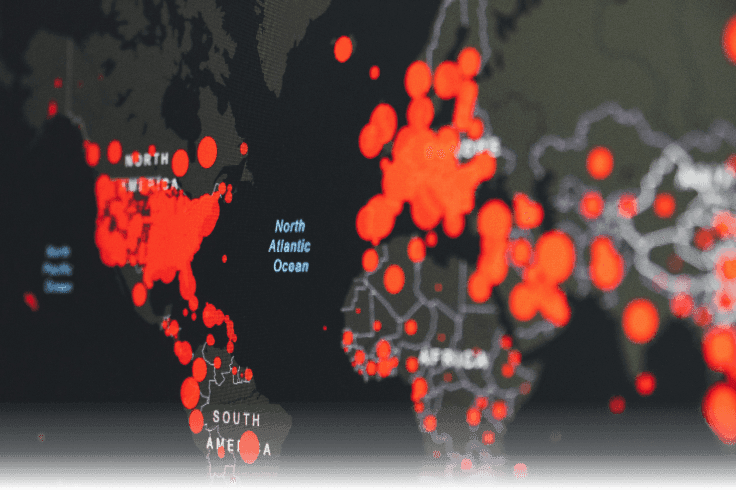
Rapid evidence assessments where the trail is a byproduct of the work, one click from any claim.Read case study
Guidance evidence reviews with documented exclusions and cited extraction that hold up to public scrutiny.Read case study
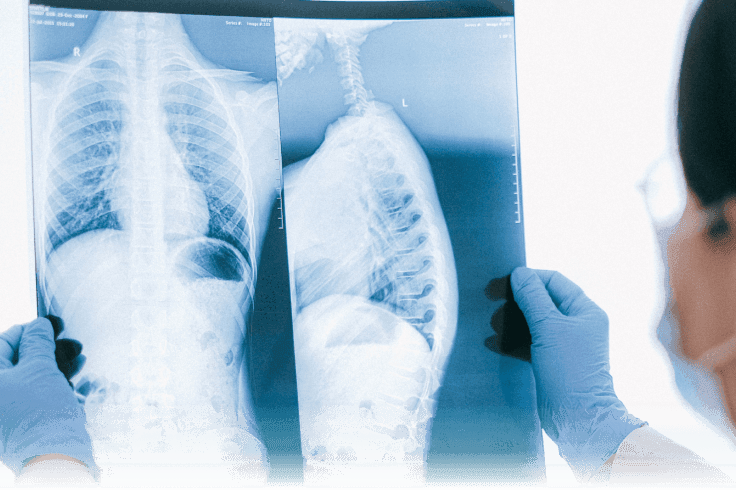
Cited clinical evidence in minutes under assessment deadlines, with every claim traceable.Read case study
A meta-analysis that surfaced contradictions a manual review would have missed, in half the time.Read case study
Testimonials
The evidence trail is as much the deliverable as the recommendation. Paperguide makes the trail a byproduct of the work, so when a claim is challenged in committee, the source is one click away.
Documented exclusion reasons and cited extraction mean our reviews hold up when the guidance is published and scrutinized. Transparency stopped being a separate write-up.
When new evidence lands, we update a brief by re-running the saved protocol instead of starting the review over. A refresh that took weeks now takes days.
Cited answers on a tight deadline, with the sources one click away, is what briefing work needs. When a figure is questioned, I am not scrambling to find where it came from.
Ready for your procurement and security review
SSO and role-based access, workspace-level access control, and team admin.
Coming soon: GDPR, SOC 2, and ISO 27001.

Make the evidence as clear as the recommendation
Book a demo and we'll show how your team turns a policy question into a cited, reproducible evidence synthesis.