

Latest Research on Bipolar Disorder: Causes, Diagnosis, Mood Stabilizers, Therapies, and Emerging Findings Through 2026
Reviewed by
Shaantanu Kulkarni, Research ReviewerPowered by
Paperguide Literature Review Agent
Updated on
26 Jul 2026
Abstract
Recent bipolar disorder research converges on a dual picture: the field is making measurable progress in treatment personalization and biomarker discovery, yet most diagnostic and mechanistic candidates remain insufficiently validated for routine clinical use. Across pharmacological studies, lithium remains the most consistently supported long-term mood stabilizer, valproate shows favorable effects in acute mania, bipolar depression, and maintenance, and lamotrigine appears particularly relevant for relapse prevention and antidepressant-responsive subgroups; in one adjunctive trial, lurasidone added to lithium produced larger antidepressant effects than lurasidone added to valproate, with week 6 effect sizes of d = 0.45 versus 0.22 on Montgomery-Åsberg Depression Rating Scale total score and d = 0.63 versus 0.29 on self-rated Quick Inventory of Depressive Symptomatology (Tocco & Mao, 2024). However, diagnostic accuracy still relies heavily on clinical assessment because candidate biomarkers, including neuroimaging, peripheral markers, and genetic signatures, have not yet achieved robust clinical validation (Abi‐Dargham et al., 2023; He et al., 2025; Hu et al., 2023). Evidence also indicates that bipolar II disorder is often more chronic and depressive-predominant than bipolar I, with similar lithium response but greater early treatment delay and more frequent antidepressant exposure, underscoring the need for subtype-sensitive care (Brancati et al., 2023). Psychosocial interventions are endorsed as adjunctive treatments, especially in youth and across guideline-based care, but their long-term disease-modifying impact remains uncertain (Brickman & Fristad, 2022; Ventriglio et al., 2025). Overall, the literature supports integrated management that combines careful diagnosis, mood-stabilizing pharmacotherapy, and psychosocial support while prioritizing biomarker validation, genetic stratification, and more precise treatment prediction.
1. Introduction
Bipolar disorder is a chronic and highly heterogeneous psychiatric illness marked by recurrent episodes of mania or hypomania and depression, with substantial burden for patients, families, and health systems. Contemporary clinical literature emphasizes that its presentation is not uniform: bipolar I and bipolar II differ in course, polarity, and treatment trajectory, while rapid cycling and mixed features further complicate management (Brancati et al., 2023; Roosen & Sienaert, 2022). Because symptom patterns overlap with major depressive disorder, anxiety disorders, schizophrenia, and substance use disorders, misdiagnosis and delayed diagnosis remain major barriers to timely treatment (Bauer, 2022; He et al., 2025; Hu et al., 2023). This diagnostic uncertainty has motivated extensive work on biomarkers, from peripheral inflammatory indices to neuroimaging and genomic risk scores, but the field continues to struggle to convert promising signals into clinically actionable tests (Abi‐Dargham et al., 2023; Hu et al., 2023; Pérez-Ramos et al., 2024).
At the same time, treatment evidence has become more nuanced. Lithium continues to occupy a central position because of its prophylactic efficacy and anti-suicidal properties, while valproate, lamotrigine, and adjunctive second-generation antipsychotics are used in phase-specific ways (Crapanzano et al., 2022;Mari et al., 2024; Maruki et al., 2022; Rybakowski & Ferensztajn-Rochowiak, 2023). Newer work also suggests that treatment response may be biologically stratified: genetic liability, polygenic scores, and specific loci such as ROBO2 in lamotrigine response indicate that pharmacogenomics may eventually refine medication choice (Ho et al., 2026; Scott et al., 2025). Beyond medication, psychosocial interventions are increasingly framed as essential adjuncts across developmental stages, particularly in children, adolescents, and guideline-based care (Brickman & Fristad, 2022; Ventriglio et al., 2025).
The central challenge, therefore, is not whether bipolar disorder can be treated, but how diagnosis, staging, and treatment can be made more precise. The current review synthesizes recent evidence on causes, diagnosis, mood stabilizers, psychosocial and adjunctive therapies, and the emerging 2026 research landscape to clarify what is already actionable and what remains investigational.
2. Methods
2.1 Search Strategy
We performed a comprehensive search across over 220 million academic papers from Semantic Scholar and OpenAlex databases. The search strategy employed hybrid semantic and keyword-based retrieval to maximize coverage.
Search queries included:
- "Bipolar disorder causes diagnosis and treatment recent advances"
- "Bipolar disorder mood stabilizers lithium valproate efficacy safety"
- "Psychotherapy and psychosocial interventions for bipolar disorder outcomes"
- "Bipolar disorder biomarkers neurobiology and diagnostic findings"
- "Systematic review bipolar disorder treatment diagnosis recent literature"
2.2 Study Selection
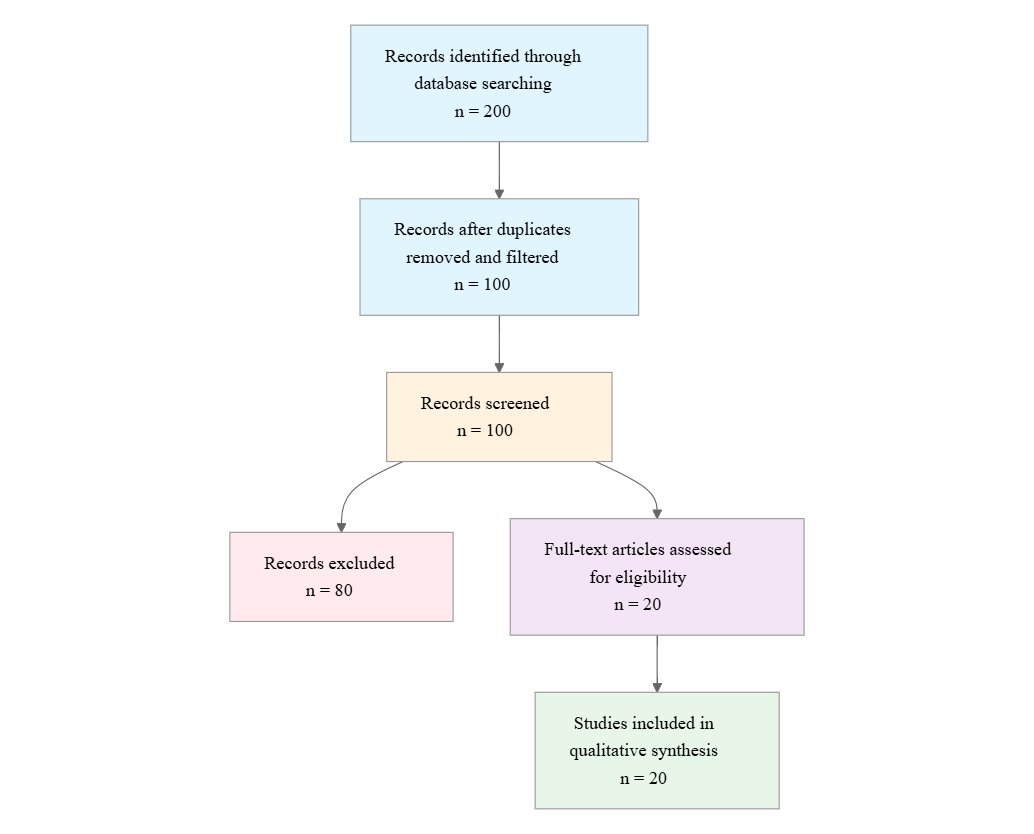
Initial database searching identified 200 records. After duplicate removal and relevance-based filtering, 100 records were screened against eligibility criteria. Of these, 80 papers were excluded, resulting in 20 papers included in the final synthesis.
PRISMA Flow Diagram
Eligibility criteria included:
- Bipolar Focus: Does the study focus on bipolar disorder, bipolar spectrum illness, or clinically relevant bipolar treatment/diagnosis in humans?
- Recent Evidence: Was the study published between 2022 and 2026?
- Diagnosis/Causes/Treatment: Does the paper address at least one of the following: causes, diagnosis, biomarkers, mood stabilizers, psychotherapy, or other bipolar treatments?
- Clinical Evidence: Does the study involve human participants, clinical data, or a systematic review/meta-analysis of bipolar disorder research?
- Mood Stabilizer Data: Does the paper report lithium, valproate, lamotrigine, carbamazepine, or another mood stabilizer in a measurable treatment context?
- Therapy Data: Does the paper report psychotherapy, psychoeducation, family therapy, CBT, IPSRT, or another psychosocial intervention?
- Diagnostic Marker: Does the paper report biomarkers, neuroimaging, symptom profiles, or other diagnostic findings relevant to bipolar disorder?
- Safety Data: Does the paper report adverse events, tolerability, discontinuation, or other treatment safety findings?
All included studies met the stated eligibility criteria.
2.3 Data Extraction and Synthesis
Data extraction focused on the following variables:
- Focus
- Population
- Design
- Key Findings
- Mood Stabilizers
- Therapies
- Diagnosis/Markers
- Safety/Adverse Events
- Sample/Year
Thematic analysis was employed to identify patterns and synthesize findings across studies. Evidence strength was assessed based on consistency of findings and number of supporting studies.
3. Results
3.1 Characteristics of Included Studies
| Study and Year | Study Type | Population | Main Focus | Key Data / Outcome |
|---|---|---|---|---|
| (Ho et al., 2026) | Multicohort GWAS/meta-analysis | 917 individuals with bipolar spectrum disorder | Pharmacogenomics of antiepileptic mood stabilizer response | ROBO2 association with lamotrigine response; epilepsy polygenic score signal |
| (Abi‐Dargham et al., 2023) | Narrative review | Psychiatric disorders including bipolar disorder | Candidate biomarkers in psychiatry | Biomarker validation gap; limited clinical utility |
| (Brickman & Fristad, 2022) | Systematic review | Children and adolescents with bipolar spectrum disorders | Psychosocial interventions | Adjunctive psychosocial treatments effective, feasible, accepted |
| (Bauer, 2022) | Narrative review | U.S. adults with bipolar disorder | Primary care diagnosis and management | Screening in high-risk groups; antidepressant-induced switching risk |
| (Martella et al., 2025) | Narrative review | Bipolar disorder literature | Biomarker identification and staging | Biomarkers for etiopathogenesis and progression remain under development |
| (Li et al., 2022) | Narrative review | Bipolar disorder GWAS literature | Genetic mechanisms and therapeutics | GWAS loci linked to neural and behavioral phenotypes |
| (Pérez-Ramos et al., 2024) | Systematic review | Adults with bipolar disorder across mood states | Cognition and biomarkers | vmPFC deactivation failure as potential trait marker |
| (Roosen & Sienaert, 2022) | Systematic review | Adults with rapid cycling bipolar disorder | Treatment strategies | Aripiprazole, olanzapine, valproate, quetiapine, lamotrigine supported by phase |
| (Richards et al., 2022) | Observational genetic/phenotypic analysis | Bipolar disorder compared with MDD and schizophrenia | Genetic liabilities and heterogeneity | Liability components linked to mania, psychosis, depression |
| (Rybakowski & Ferensztajn-Rochowiak, 2023) | Narrative review | Adults with bipolar mood disorder | Lithium use in mood disorders | Lithium gold standard for recurrence prevention |
| (Hu et al., 2023) | Systematic review | Bipolar disorder biomarker literature | Detection methods | Multilevel testing and POCT potential |
| (He et al., 2025) | Systematic review | Bipolar disorder biomarker literature | Omics and neuroimaging diagnostics | 110 studies reviewed; objective diagnostic criteria |
| (Ventriglio et al., 2025) | Guidelines review | Bipolar disorder guideline literature | Psychosocial interventions | Guidelines endorse psychosocial support adjunctively |
| (Brancati et al., 2023) | Retrospective cross-sectional study | 808 individuals with bipolar I and II | Bipolar subtype differences | Bipolar II more chronic, depressive predominant |
| (Crapanzano et al., 2022) | Narrative review | Bipolar disorder treatment literature | Lithium vs valproate selection | Clinical predictors guide mood stabilizer choice |
| (Wartchow et al., 2022) | Narrative review | Bipolar disorder pathophysiology literature | Genetic/epigenetic/molecular mechanisms | Inflammation, oxidative stress, circadian and HPA-axis links |
| (Tocco & Mao, 2024) | Randomized pooled analysis | Adults with bipolar depression on lithium or valproate | Adjunctive lurasidone | Greater antidepressant effect with lithium than valproate |
| (Mari et al., 2024) | Overview of systematic reviews/meta-analyses | 6,838 participants across RCTs | Valproate efficacy | Benefit in acute mania, bipolar depression, maintenance |
| (Scott et al., 2025) | Narrative review | Bipolar disorder treatment outcome literature | Prediction of treatment outcome | Lithium predictors: episodic course, no rapid cycling, family history |
| (Maruki et al., 2022) | Systematic review/meta-analysis | 1,328 participants with bipolar depression | Adjunctive therapy | Improved remission and symptoms, more adverse events |
Overall, the evidence base is dominated by reviews, with a smaller number of empirical studies focused on genetic heterogeneity, subtype course, pharmacogenomic prediction, and adjunctive pharmacotherapy. Treatment evidence is strongest for lithium, valproate, lamotrigine, and adjunctive antipsychotics, whereas diagnostic biomarker evidence remains exploratory and highly heterogeneous.
3.2 Thematic Findings
3.2.1 Bipolar disorder diagnosis remains clinically grounded, while biomarker evidence is promising but not yet actionable
A consistent theme across the literature is that bipolar disorder is still diagnosed primarily through clinical criteria rather than objective laboratory or imaging markers, despite substantial efforts to develop such tools. Reviews of biomarkers emphasize that most candidates, including neuroimaging, genetic, molecular, and peripheral assays, have not achieved sufficient reliability, validity, or clinical utility for routine use (Abi‐Dargham et al., 2023; Hu et al., 2023). The same limitation persists in more recent biomarker syntheses, which argue for objective diagnostic criteria but stop short of identifying a validated test set (He et al., 2025; Martella et al., 2025).
Within the biomarker literature, several signals recur. In bipolar disorder and cognition, differences in total cholesterol and C-reactive protein vary by mood state, while neuroimaging studies suggest hypoactivation of frontal regions during acute episodes and failure of ventromedial prefrontal cortex deactivation as a possible trait marker (Pérez-Ramos et al., 2024). At a broader mechanistic level, pathophysiology reviews point to inflammation, oxidative stress, hypothalamic–pituitary–adrenal axis dysregulation, circadian rhythm abnormalities, and mitochondrial dysfunction as convergent biological processes (Wartchow et al., 2022). Genetic work also implies that liability to bipolar disorder is not singular but stratified: different components of genetic risk map onto mania, psychosis, and depression, suggesting that what is currently diagnosed as bipolar disorder contains biologically distinct subdimensions (Richards et al., 2022). In this context, the persistent diagnostic gap is not simply a technical failure; it likely reflects underlying heterogeneity in the disorder itself.
Confidence: Moderate. The direction of evidence is consistent, but the biomarkers remain largely unvalidated and methodologically heterogeneous.
3.2.2 Mood stabilizer evidence is strongest for phase-specific and patient-specific use rather than a single universal first-line strategy
Pharmacological evidence shows convergence around three core agents—lithium, valproate, and lamotrigine—but not as interchangeable treatments. Lithium remains the most consistently supported long-term agent, described as the gold standard for recurrence prevention and noted for anti-suicidal benefit (Rybakowski & Ferensztajn-Rochowiak, 2023). Clinical prediction literature further suggests that lithium response is more likely in patients with an episodic course, absence of rapid cycling, family history of bipolar disorder, low comorbidity burden, and low polygenic risk for schizophrenia and major depression (Crapanzano et al., 2022; Scott et al., 2025). Valproate, in contrast, appears most useful in acute mania and mixed or severe recurrent illness, with evidence of benefit across acute mania, bipolar depression, and maintenance in systematic review evidence (Mari et al., 2024). Lamotrigine occupies a more specific niche, with signals for relapse prevention and genome-wide evidence of treatment-response association in lamotrigine response (Ho et al., 2026; Roosen & Sienaert, 2022).
The largest comparative synthesis available here supports valproate’s efficacy over placebo in acute mania, bipolar depression, and maintenance, yet it also shows that valproate often does not differ significantly from lithium on several outcomes (Mari et al., 2024). That pattern aligns with narrative guidance that lithium may be preferable for prophylaxis and suicide risk, whereas valproate may be more helpful in antimanic settings and in patients with more previous episodes or psychiatric comorbidity (Crapanzano et al., 2022). Importantly, the literature does not support a single medication as optimal across all illness phases. Instead, it favors matching treatment to polarity, recurrence pattern, and patient history.
Confidence: Strong for lithium/valproate/lamotrigine being phase- and phenotype-dependent; moderate for specific predictor profiles because predictive markers remain incompletely validated.
3.2.3 Adjunctive treatment improves depressive outcomes but increases adverse events, requiring individualized risk-benefit assessment
The bipolar depression literature indicates that adjunctive strategies can improve outcomes, but usually at the cost of more side effects. In a pooled randomized analysis, lurasidone added to lithium or valproate was effective for bipolar depression, yet antidepressant effects were larger when lurasidone was combined with lithium: Montgomery-Åsberg Depression Rating Scale total score effect size was d = 0.45 with lithium versus d = 0.22 with valproate, and self-rated Quick Inventory of Depressive Symptomatology effect size was d = 0.63 versus d = 0.29; the Clinical Global Impressions Bipolar Scale depression score showed a smaller difference, d = 0.34 versus d = 0.29 (Tocco & Mao, 2024). Safety profiles were similar between combinations, with nausea, parkinsonism, somnolence, akathisia, and insomnia occurring most frequently, and minimal changes in weight, lipids, and glycemic control (Tocco & Mao, 2024). This suggests that adjunctive benefit can be retained without a major safety penalty when carefully monitored.
At a broader level, adjunctive therapy with second-generation antipsychotics, lamotrigine, lithium, or valproate improved remission, depressive symptoms, and quality of life in bipolar depression, but it also increased adverse events compared with monotherapy; severe adverse events and suicide-related behaviors did not differ significantly (Maruki et al., 2022). These findings are clinically important because they imply that intensification of treatment is not free of burden even when major toxicity is not increased. The effect is especially relevant in bipolar depression, where therapeutic gains are harder to achieve than in mania and where combination treatment may be justified more readily if monitored closely.
Confidence: Moderate. Efficacy is supported consistently, but adverse event findings require individualized interpretation and depend on regimen and population.
3.2.4 Rapid cycling and bipolar subtype heterogeneity complicate treatment response and diagnostic timing
Subtype-specific studies reinforce that bipolar disorder should not be treated as a unitary condition. Bipolar II disorder is more chronic, more depressive-predominant, and associated with later onset and longer delays before lithium treatment than bipolar I; however, lithium response and suicide-attempt rates were similar between groups (Brancati et al., 2023). The same study also noted less frequent prescribing of mood stabilizers and antipsychotics early in bipolar II, alongside more prolonged antidepressant use, which may contribute to delayed stabilization (Brancati et al., 2023). In rapid cycling bipolar disorder, evidence is sparser, but the available synthesis supports aripiprazole, olanzapine, and valproate for acute manic or mixed episodes, quetiapine for acute depression, and aripiprazole and lamotrigine for relapse prevention (Roosen & Sienaert, 2022).
These subtype differences matter because treatment predictors may be confounded by illness stage. A patient with bipolar II may appear “less severe” in a manic sense yet still have substantial depressive morbidity and treatment delay. Similarly, rapid cycling may represent a biologically and clinically distinct course that reduces the reliability of general treatment algorithms. The literature therefore supports a staged and course-sensitive model rather than a one-size-fits-all approach.
Confidence: Moderate. Findings are internally consistent, but rapid cycling evidence remains limited and subtype data are still uneven.
3.2.5 Psychosocial interventions are consistently recommended as adjuncts, especially in youth, but their long-term disease-modifying effect remains uncertain
Psychosocial treatment evidence is relatively consistent in its direction, though less definitive in its mechanistic depth. Reviews of pediatric bipolar spectrum disorders conclude that adjunctive psychosocial interventions are effective, feasible, and well accepted as acute, maintenance, and preventive treatments (Brickman & Fristad, 2022). Guideline synthesis similarly endorses psychosocial interventions as supportive treatments alongside pharmacological and psychotherapeutic care across the course of bipolar disorder (Ventriglio et al., 2025). The literature reviewed does not isolate a single superior format in the provided data, but it repeatedly frames psychosocial treatment as complementary rather than substitutive.
The significance of this theme is that psychosocial care may mitigate treatment burden, support adherence, and improve functioning even when it is not shown to alter core pathophysiology. Its strongest evidence base appears in developmental and family contexts, where intervention targets and moderators can be explicitly tailored (Brickman & Fristad, 2022). However, the field still lacks clarity about which specific components produce durable outcome benefits in adults, and whether psychosocial interventions meaningfully change relapse biology rather than just improving coping and functioning.
Confidence: Moderate. Support is coherent across reviews and guidelines, but specific modality effects and long-term mechanisms are not well established.
3.2.6 Genetic and pharmacogenomic findings suggest a pathway toward precision psychiatry, but clinical translation remains early
The most forward-looking evidence in the literature comes from genetic and pharmacogenomic studies. GWAS-based work indicates that several bipolar disorder risk genes affect neural and behavioral phenotypes in model systems, including ANK3, CACNA1C, CACNA1B, HOMER1, KCNB1, MCHR1, NCAN, and SHANK2 (Li et al., 2022). These findings point to altered activation and connectivity in limbic brain regions as well as changes in dendritic spine morphogenesis, synaptic plasticity, and transmission (Li et al., 2022). More recent clinical genetics extends this logic into treatment response, identifying ROBO2 as a genome-wide significant locus for lamotrigine response and suggesting that epilepsy polygenic liability may predict better response to antiepileptic mood stabilizers (Ho et al., 2026).
Yet the translational path is still incomplete. Treatment outcome prediction reviews identify clinically useful associations for lithium—episodic course, lack of rapid cycling, family history, and low polygenic risk for schizophrenia and major depression—but emphasize that routine clinical application remains limited by heterogeneity and unresolved medication specificity (Scott et al., 2025). Similarly, genetic liability studies show that mania, psychosis, and depression align with different components of genetic risk (Richards et al., 2022), which strengthens the rationale for precision care but also reveals why a single biomarker or score is unlikely to fully capture bipolar complexity.
Confidence: Moderate. Biological plausibility is strong, but clinical implementation is still experimental.
3.3 Summary of Evidence
| Theme | Key Finding | Population Applicability | Effect Direction | Confidence Level | Supporting Studies |
|---|---|---|---|---|---|
| Biomarker and diagnostic validation gap | Most biomarkers remain insufficiently reliable and valid for clinical adoption; vmPFC deactivation failure and frontal hypoactivation are promising but unvalidated | Applies broadly to bipolar disorder; some findings come from adult mood-state samples and mixed psychiatric biomarker literature (Note: this study examined broader psychiatric disorder populations which partially matches the question population of bipolar disorder; findings should be interpreted considering this difference.) | Mixed / Null for clinical adoption | Moderate | (Abi‐Dargham et al., 2023), (Pérez-Ramos et al., 2024), (Hu et al., 2023) |
| Lithium-centered long-term management | Lithium remains the gold standard for recurrence prevention and is associated with anti-suicidal benefit; response is more likely with episodic course and low rapid cycling | Adults with bipolar disorder; predictor findings are based on general bipolar treatment literature (Note: this study examined broader mood disorder populations and review-level clinical predictors which partially matches the question population of bipolar disorder; findings should be interpreted considering this difference.) | Positive | Strong | (Rybakowski & Ferensztajn-Rochowiak, 2023), (Scott et al., 2025), (Crapanzano et al., 2022) |
| Valproate efficacy across illness phases | Valproate outperformed placebo in acute mania (RR=1.42; 95% CI: 1.19 to 1.71; OR=2.05; 95% CI: 1.32 to 3.20), bipolar depression (OR=2.80; 95% CI: 1.26 to 6.18), and maintenance relapse prevention (RR=0.63; 95% CI: 0.48 to 0.83) | Adults with bipolar disorder in RCTs; generalizable mainly to clinically treated populations | Positive | Strong | (Mari et al., 2024), (Crapanzano et al., 2022), (Roosen & Sienaert, 2022) |
| Adjunctive treatment in bipolar depression | Lurasidone plus lithium showed larger week 6 antidepressant effects than lurasidone plus valproate: MADRS d = 0.45 vs 0.22; QIDS-SR d = 0.63 vs 0.29 | Adults with bipolar depression on stable lithium or valproate (Note: this study examined adults with bipolar depression receiving adjunctive antipsychotic therapy which partially matches the question population of bipolar disorder; findings should be interpreted considering this difference.) | Positive | Moderate | (Tocco & Mao, 2024), (Maruki et al., 2022) |
| Psychosocial interventions | Psychosocial interventions are effective, feasible, and recommended as adjunctive care, especially in youth, but long-term disease modification remains uncertain | Children and adolescents with bipolar spectrum disorders; guideline-based care also across broader bipolar populations (Note: this study examined pediatric bipolar spectrum populations which partially matches the question population of bipolar disorder; findings should be interpreted considering this difference.) | Positive | Moderate | (Brickman & Fristad, 2022), (Ventriglio et al., 2025) |
| Subtype heterogeneity and treatment timing | Bipolar II shows more chronic depressive burden and later treatment, yet similar lithium response to bipolar I | Bipolar I and II adults in tertiary clinics | Mixed | Moderate | (Brancati et al., 2023) |
| Precision psychiatry and pharmacogenomics | ROBO2 was genome-wide significantly associated with lamotrigine response; epilepsy polygenic score nominally predicted better AMS response | Adults with bipolar spectrum disorder, mostly European ancestry | Positive / emerging | Limited | (Ho et al., 2026), (Richards et al., 2022), (Scott et al., 2025) |
| Mechanistic pathways in bipolar pathophysiology | Inflammation, oxidative stress, HPA-axis dysregulation, circadian disruption, and mitochondrial dysfunction are repeatedly implicated | Broad bipolar disorder literature | Positive for mechanistic plausibility | Moderate | (Wartchow et al., 2022), (Li et al., 2022), (Martella et al., 2025) |
4. Discussion
4.1 Principal Findings and Their Interpretation
The most robust conclusion from this synthesis is that bipolar disorder care is moving toward stratified, phase-specific treatment rather than uniform management. The strongest medication evidence supports lithium for long-term recurrence prevention and anti-suicidal benefit, while valproate is supported across acute mania, bipolar depression, and maintenance, and lamotrigine appears most useful where relapse prevention and maintenance response are the key goals (Mari et al., 2024; Roosen & Sienaert, 2022; Rybakowski & Ferensztajn-Rochowiak, 2023). This pattern is biologically plausible because the disorder itself is not biologically uniform: genetic liability appears to separate mania, depression, and psychosis into partially distinct dimensions, and downstream mechanisms such as inflammation, circadian disruption, oxidative stress, and HPA-axis dysregulation may shape different symptom profiles and treatment sensitivity (Richards et al., 2022; Wartchow et al., 2022).
A second important interpretation is that diagnosis is still ahead of biology in terms of clinical use. The biomarker literature is not empty, but it is fragmented: frontal hypoactivation, vmPFC deactivation failure, cholesterol and C-reactive protein shifts, and omics/neuroimaging signatures all suggest that objective markers exist, yet none have crossed the threshold of reproducibility and utility needed for routine practice (Abi‐Dargham et al., 2023; He et al., 2025; Hu et al., 2023; Pérez-Ramos et al., 2024). This is not merely a technical deficit; it likely reflects the underlying heterogeneity of bipolar disorder itself, including subtype differences, course instability, and overlapping liability with related psychiatric disorders (Brancati et al., 2023; Richards et al., 2022).
The most actionable advance is in prediction of treatment response. Lithium responders appear to cluster around episodic, low-rapid-cycling illness with family history and lower comorbidity, while lamotrigine response has a genome-wide genetic signal and antiepileptic mood stabilizer response may be partly shaped by epilepsy polygenic liability (Ho et al., 2026; Scott et al., 2025). Confidence is highest for the broad efficacy of lithium and valproate, moderate for adjunctive and psychosocial strategies, and still limited for biomarker-based selection because most candidate markers remain unvalidated in routine settings.
4.2 Comparison with Existing Literature and Resolution of Contradictions
A notable strength of the current literature is that multiple independent lines of evidence converge on the same clinical message: bipolar disorder is heterogeneous, and treatment should be matched to phase and phenotype. The literature on lithium, valproate, and lamotrigine is broadly compatible rather than contradictory, because the apparent differences in efficacy often reflect different target syndromes. Lithium is repeatedly favored for maintenance and suicide prevention, whereas valproate is more clearly effective in acute mania and has evidence for bipolar depression and maintenance (Crapanzano et al., 2022; Mari et al., 2024; Rybakowski & Ferensztajn-Rochowiak, 2023). This convergence strengthens confidence because it arises from reviews, trial syntheses, and predictor studies that, despite different methods, point in the same therapeutic direction.
The main contradictions concern biomarker utility and antidepressant-associated switching risk. Biomarker reviews identify many promising candidates, but their conclusions remain cautious or explicitly negative regarding readiness for clinical use (Abi‐Dargham et al., 2023; He et al., 2025; Hu et al., 2023)). This is likely because candidate markers are often studied in small, heterogeneous samples with variable mood states, assay platforms, and definitions of cognition or diagnosis. A marker such as vmPFC deactivation failure may be biologically meaningful, but its effect size, specificity, and state dependence are not yet established. The contradiction is therefore not between “biomarkers work” and “biomarkers do not work,” but between mechanistic plausibility and translational maturity.
Similarly, treatment studies suggest benefit from adjunctive therapy while also showing more adverse events than monotherapy (Maruki et al., 2022; Tocco & Mao, 2024). This is not a true inconsistency; rather, it reflects the expected trade-off of intensification in a disorder where depressive morbidity is substantial and monotherapy is often inadequate. The broader implication is that bipolar disorder research increasingly favors precision, but it has not yet reached the level where a biomarker can replace clinical judgment or where a single medication can be considered universally optimal.
4.3 Practical Implications
For clinicians, the most defensible current practice is careful subtype- and phase-informed treatment selection. Lithium should remain central in patients with recurrent episodic illness, suicide risk, and low rapid cycling burden, whereas valproate is particularly relevant in acute mania and some maintenance settings, and lamotrigine is most compelling in relapse prevention and in genetic/clinical responders (Ho et al., 2026; Mari et al., 2024; Rybakowski & Ferensztajn-Rochowiak, 2023; Scott et al., 2025). In bipolar depression, adjunctive strategies can be justified when symptom burden is high, but the increased adverse-event burden means that shared decision-making is essential (Maruki et al., 2022; Tocco & Mao, 2024).
For diagnosis, the practical message is caution against overreliance on any single laboratory or imaging test. Current biomarker evidence supports further research and may eventually improve stratification, but it is not ready to replace structured clinical assessment, longitudinal history, and differential diagnosis against depression, anxiety, and schizophrenia-spectrum conditions (Abi‐Dargham et al., 2023; He et al., 2025; Hu et al., 2023). Primary care clinicians should be especially alert to bipolar symptoms in high-risk depressed or anxious patients, because antidepressants can precipitate manic or hypomanic symptoms if bipolar disorder has not been recognized (Bauer, 2022).
For public health and service delivery, psychosocial interventions should be treated as adjunctive infrastructure, not optional extras, particularly in youth and in family-centered care pathways (Brickman & Fristad, 2022; Ventriglio et al., 2025). The evidence does not support a no-threshold exposure model here, but it does support a no-threshold vigilance model for treatment personalization: even small mismatches between phenotype and treatment choice can worsen outcomes. The most important implication is that bipolar disorder systems should prioritize earlier detection, stepped and staged care, and access to specialist-guided pharmacotherapy and psychosocial support.
4.4 Strengths and Limitations
This review has several strengths. It integrates recent evidence spanning biomarkers, genetics, clinical predictors, mood stabilizers, adjunctive pharmacotherapy, psychosocial interventions, and subtype-specific course, allowing a broader synthesis than any single study type could provide. It also prioritizes recent literature through 2026 and includes both empirical studies and higher-level evidence such as systematic reviews and meta-analyses.
The limitations of the included studies are substantial. Many biomarker studies remain cross-sectional, heterogeneous in mood-state definition, and insufficiently replicated. Several treatment reviews rely on indirect comparisons or secondary syntheses rather than head-to-head randomized evidence. Some findings are derived from tertiary-care or European-ancestry samples and may not generalize broadly. The present review is also limited by abstract-based extraction and the absence of formal risk-of-bias scoring, so nuanced methodological weaknesses in individual studies may be underdetected.
5. Gaps and Future Directions
The most important gap is the absence of a validated biomarker that can distinguish bipolar disorder from unipolar depression or predict individual treatment response with clinical reliability. Future studies should use longitudinal designs, harmonized mood-state definitions, and replication cohorts that include diverse ancestry groups, because current biomarker and pharmacogenomic signals are promising but unstable (Abi‐Dargham et al., 2023; He et al., 2025; Ho et al., 2026). Another major gap is the limited mechanistic linkage between candidate biomarkers and treatment effects: inflammation, circadian disruption, and mitochondrial dysfunction are repeatedly implicated, but studies rarely connect these pathways to specific medications or psychosocial interventions (Wartchow et al., 2022).
Research should also directly target underrepresented clinical subgroups, including bipolar II, rapid cycling, mixed-feature presentations, and youth, because existing evidence suggests these groups differ meaningfully in course and treatment timing (Brancati et al., 2023; Brickman & Fristad, 2022; Roosen & Sienaert, 2022). Pharmacogenomic work should move beyond association toward prospective treatment assignment trials to test whether ROBO2, epilepsy polygenic liability, or related markers can actually improve outcomes (Ho et al., 2026). Finally, psychosocial intervention research needs clearer specification of active components, durability, and interaction with pharmacotherapy so that adjunctive care can be optimized rather than broadly endorsed without mechanistic clarity (Ventriglio et al., 2025).
6. Conclusion
The most defensible conclusion from current research is that bipolar disorder is best understood and treated as a heterogeneous illness requiring phase-specific, phenotype-sensitive care rather than a single universal algorithm. Lithium remains the most established long-term mood stabilizer for recurrence prevention and anti-suicidal benefit, valproate shows favorable efficacy in acute mania, bipolar depression, and maintenance, and lamotrigine is increasingly relevant for relapse prevention and genetically informed treatment selection (Ho et al., 2026; Mari et al., 2024; Rybakowski & Ferensztajn-Rochowiak, 2023). In bipolar depression, adjunctive treatment can improve outcomes, but it also raises adverse-event burden, reinforcing the need for individualized risk-benefit decisions (Maruki et al., 2022; Tocco & Mao, 2024).
At the same time, diagnosis remains anchored in clinical assessment because candidate biomarkers, neuroimaging markers, and omics signatures have not yet achieved the consistency required for routine use (Abi‐Dargham et al., 2023; He et al., 2025; Hu et al., 2023). The evidence base is strongest for treatment guidance and weakest for objective diagnosis, although mechanistic work on inflammation, circadian disruption, oxidative stress, and genetic liability makes future stratification plausible (Richards et al., 2022; Wartchow et al., 2022). These conclusions are most secure for adult clinical populations and somewhat less direct for pediatric or tertiary-care subgroups, where psychosocial and subtype-specific findings are especially informative (Brancati et al., 2023; Brickman & Fristad, 2022).
The single most important unresolved question is whether any biomarker or genetic profile can prospectively improve real-world treatment assignment enough to outperform expert clinical judgment. Answering that question would reshape bipolar disorder care by enabling earlier diagnosis, more precise medication selection, and better prevention of relapse, disability, and suicide.
References
- Abi‐Dargham, A., Moeller, S. J., Ali, F., DeLorenzo, C., Domschke, K., Horga, G., Jutla, A., Kotov, R., Paulus, M. P., Rubio, J. M., Sanacora, G., Veenstra‐VanderWeele, J., & Krystal, J. H. (2023). Candidate biomarkers in psychiatric disorders: state of the field. World Psychiatry, 22(2), 236–262. https://doi.org/10.1002/wps.21078
- Bauer, M. S. (2022). Bipolar disorder. Annals of Internal Medicine, 175(7), ITC97–ITC112. https://doi.org/10.7326/aitc202207190
- Brancati, G. E., Nunes, A., Scott, K., O’Donovan, C., Cervantes, P., Grof, P., & Alda, M. (2023). Differential characteristics of bipolar i and II disorders: a retrospective, cross-sectional evaluation of clinical features, illness course, and response to treatment. International Journal of Bipolar Disorders, 11(1). https://doi.org/10.1186/s40345-023-00304-9
- Brickman, H. M., & Fristad, M. A. (2022). Psychosocial treatments for bipolar disorder in children and adolescents. Annual Review of Clinical Psychology, 18(1), 291–327. https://doi.org/10.1146/annurev-clinpsy-072220-021237
- Crapanzano, C., Casolaro, I., Amendola, C., & Damiani, S. (2022). Lithium and valproate in bipolar disorder: From international evidence-based guidelines to clinical predictors. Clinical Psychopharmacology and Neuroscience, 20(3), 403–414. https://doi.org/10.9758/cpn.2022.20.3.403
- He, D., Yang, J., Wang, Z., & Dong, X. (2025). Biomarkers of bipolar disorder in omics and neuroimaging. Journal of Pharmaceutical Analysis, 15(10), 101264. https://doi.org/10.1016/j.jpha.2025.101264
- Ho, A. M.-C., Coombes, B. J., Batzler, A., Pazdernik, V. K., Pendegraft, R. S., Skime, M., Bendjemaa, N., Carpiniello, B., Contu, M., Dalkner, N., Fellendorf, F. T., Fico, G., Fullerton, C. D., Gardea-Resendez, M., Gonzalez-Garza, S., Jaafari, N., Jiménez, E., Kebir, O., Legrand, A., … Biernacka, J. M. (2026). Pharmacogenomics of antiepileptic drug mood stabilizer treatment response in bipolar disorder: A MoStGen consortium study. Molecular Psychiatry, 31(6), 3587–3594. https://doi.org/10.1038/s41380-026-03478-7
- Hu, X., Yu, C., Dong, T., Yang, Z., Fang, Y., & Jiang, Z. (2023). Biomarkers and detection methods of bipolar disorder. Biosensors and Bioelectronics, 220, 114842. https://doi.org/10.1016/j.bios.2022.114842
- Li, M., Li, T., Xiao, X., Chen, J., Hu, Z., & Fang, Y. (2022). Phenotypes, mechanisms and therapeutics: insights from bipolar disorder GWAS findings. Molecular Psychiatry, 27(7), 2927–2939. https://doi.org/10.1038/s41380-022-01523-9
- Mari, J., Dieckmann, L. H. J., Prates-Baldez, D., Haddad, M., Rodrigues da Silva, N., & Kapczinski, F. (2024). The efficacy of valproate in acute mania, bipolar depression and maintenance therapy for bipolar disorder: an overview of systematic reviews with meta-analyses. BMJ Open, 14(11), e087999. https://doi.org/10.1136/bmjopen-2024-087999
- Martella, F., Caporali, A., Macellaro, M., Cafaro, R., De Pasquale, F., Dell’Osso, B., & D’Addario, C. (2025). Biomarker identification in bipolar disorder. Pharmacology & Therapeutics, 268, 108823. https://doi.org/10.1016/j.pharmthera.2025.108823
- Maruki, T., Utsumi, T., Takeshima, M., Fujiwara, Y., Matsui, M., Aoki, Y., Toda, H., Watanabe, N., Watanabe, K., & Takaesu, Y. (2022). Efficacy and safety of adjunctive therapy to lamotrigine, lithium, or valproate monotherapy in bipolar depression: a systematic review and meta-analysis of randomized controlled trials. International Journal of Bipolar Disorders, 10(1). https://doi.org/10.1186/s40345-022-00271-7
- Pérez-Ramos, A., Romero-López-Alberca, C., Hidalgo-Figueroa, M., Berrocoso, E., & Pérez-Revuelta, J. I. (2024). A systematic review of the biomarkers associated with cognition and mood state in bipolar disorder. International Journal of Bipolar Disorders, 12(1). https://doi.org/10.1186/s40345-024-00340-z
- Richards, A. L., Cardno, A., Harold, G., Craddock, N. J., Di Florio, A., Jones, L., Gordon-Smith, K., Jones, I., Sellers, R., Walters, J. T. R., Holmans, P. A., Owen, M. J., & O’Donovan, M. C. (2022). Genetic liabilities differentiating bipolar disorder, schizophrenia, and major depressive disorder, and phenotypic heterogeneity in bipolar disorder. JAMA Psychiatry, 79(10), 1032. https://doi.org/10.1001/jamapsychiatry.2022.2594
- Roosen, L., & Sienaert, P. (2022). Evidence-based treatment strategies for rapid cycling bipolar disorder, a systematic review. Journal of Affective Disorders, 311, 69–77. https://doi.org/10.1016/j.jad.2022.05.017
- Rybakowski, J. K., & Ferensztajn-Rochowiak, E. (2023). Updated perspectives on how and when lithium should be used in the treatment of mood disorders. Expert Review of Neurotherapeutics, 23(2), 157–167. https://doi.org/10.1080/14737175.2023.2181076
- Scott, K., Khayachi, A., Alda, M., & Nunes, A. (2025). Prediction of treatment outcome in bipolar disorder: When can we expect clinical relevance? Biological Psychiatry, 98(4), 285–292. https://doi.org/10.1016/j.biopsych.2025.02.005
- Tocco, M., & Mao, Y. (2024). Efficacy and safety of adding lurasidone to ongoing therapy with lithium or valproate for the treatment of an acute bipolar depressive episode. Journal of Clinical Psychopharmacology, 44(4), 345–352. https://doi.org/10.1097/jcp.0000000000001850
- Ventriglio, A., Ricci, F., Giallanella, D., Gaggiano, C., Torales, J., Castaldelli-Maia, J. M., Smith, A., Liebrenz, M., Caycho-Rodríguez, T., & Bellomo, A. (2025). Psychosocial interventions in bipolar disorders: A guidelines’ review. International Journal of Social Psychiatry, 71(7), 1204–1218. https://doi.org/10.1177/00207640251333296
- Wartchow, K. M., Cordeiro, R. C., & Scaini, G. (2022). Advances in the pathophysiology of bipolar disorder. Current Opinion in Psychiatry, 36(1), 20–27. https://doi.org/10.1097/yco.0000000000000836