

Latest Research on HIV Cure: A Thematic Literature Review of Remission, Reservoir Targeting, and Translational Strategies
Reviewed by
Shrishti, Research ReviewerPowered by
Paperguide Literature Review Agent
Updated on
27 Jul 2026
Abstract
Recent HIV cure research shows that durable treatment-free remission is now achievable in rare settings, but only under highly specific conditions. Allogeneic stem cell transplantation has produced the strongest evidence, including sustained remission for over six years after allo-SCT with a heterozygous CCR5 wild-type/Δ32 donor and undetectable plasma HIV RNA [15], and another case with undetectable plasma viral load for 32 months after allo-HSCT with wild-type CCR5 donor cells and no intact virus recovered from reservoir assays [2]. In parallel, immune-based and latency-targeting interventions are producing measurable but usually incomplete reservoir effects: pembrolizumab increased unspliced HIV RNA by a median 1.32-fold and plasma HIV RNA by 1.65-fold after six cycles in people living with HIV and cancer on ART [19], while broadly neutralizing antibody therapy maintained virologic suppression off ART in 76% of participants for at least 20 weeks and in two individuals for more than one year [1]. This matters because ART still suppresses replication rather than eliminates latent provirus, leaving rebound risk after interruption. Across studies, the field is shifting from purely conceptual latency reversal toward combinations that couple reactivation, immune clearance, and reservoir measurement. Evidence is strongest for transplantation-related remission and for proof-of-mechanism latency reversal, whereas durable cure outside transplant remains unproven. The major gap is that most strategies reduce or expose reservoir activity without consistently extinguishing intact provirus, highlighting the need for longer follow-up, standardized reservoir endpoints, and combination approaches that move beyond transient suppression toward true eradication.
1. Introduction
Despite the extraordinary success of antiretroviral therapy (ART), HIV infection remains a chronic condition because ART suppresses circulating virus without eliminating the integrated proviral reservoir. Latently infected CD4+ T cells persist as the central barrier to cure, and viral rebound commonly follows treatment interruption. Contemporary HIV cure research therefore focuses on strategies that either eliminate reservoir-harboring cells, prevent proviral reactivation, or induce durable remission without continuous therapy [9], [11]. Within this landscape, "shock and kill" approaches aim to reverse latency and expose infected cells to immune clearance, while "block and lock" strategies aim to permanently silence proviruses so that rebound cannot occur even after ART cessation [5], [16].
The recent literature reflects both conceptual maturation and persistent translational barriers. Mechanistic studies have shown that HIV-infected cells under ART are not merely passive reservoirs: they exhibit distinctive transcriptional programs favoring silencing, survival, and proliferation, suggesting that reservoir persistence is biologically reinforced rather than accidental [12]. At the same time, clinical and preclinical studies have tested diverse interventions including broadly neutralizing antibodies, checkpoint blockade, CAR-T cells, latency-reversing agents, innate immune effectors, and stem cell transplantation [1], [13], [19], [6]. These studies vary greatly in design, population, and endpoints, making it difficult to judge which signals represent transient biologic activity and which indicate movement toward durable remission.
A focused synthesis of the latest research is therefore needed to clarify which strategies are generating the most credible signals, what mechanisms appear most relevant, and where the field remains limited by model systems, small samples, or incomplete reservoir assessment. This review integrates clinical, translational, preclinical, and mechanistic evidence to evaluate where HIV cure science currently stands and what approaches appear most promising for future development.
2. Methods
2.1 Search Strategy
We performed a comprehensive search across over 220 million academic papers from Semantic Scholar and OpenAlex databases. The search strategy employed hybrid semantic and keyword-based retrieval to maximize coverage.
Search queries included:
- "HIV cure strategies and remission research in recent clinical studies"
- "HIV eradication approaches latency reversal and immune clearance trials"
- "Durable HIV remission after treatment interruption gene therapy and antibodies"
- "Functional cure of HIV reservoir targeting broadly neutralizing antibodies"
- "Systematic review of HIV cure research and reservoir elimination strategies"
2.2 Study Selection
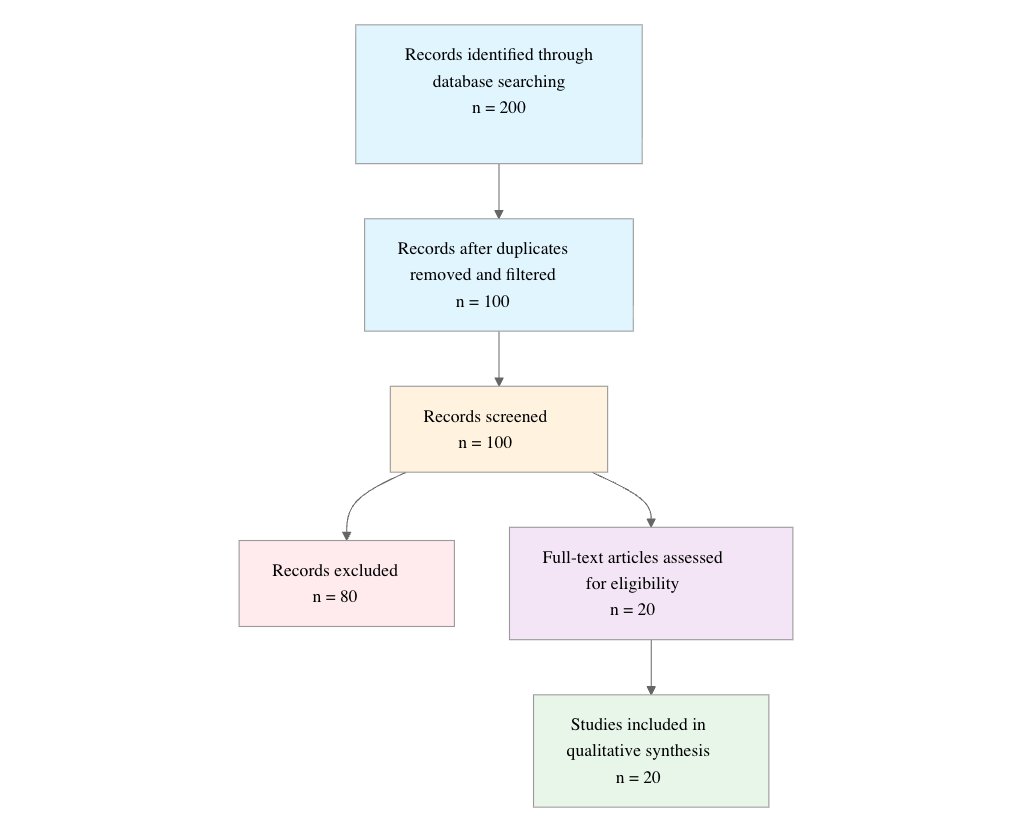
Initial database searching identified 200 records. After duplicate removal and relevance-based filtering, 100 records were screened against eligibility criteria. Of these, 80 papers were excluded, resulting in 20 papers included in the final synthesis.
PRISMA Flow Diagram
Eligibility criteria included:
- HIV Focus: Does the study investigate HIV cure, remission, eradication, or reservoir elimination strategies rather than general HIV treatment alone?
- Human Evidence: Does the study include human participants or human-derived clinical data (not only animal or cell-line studies)?
- Recent Study: Was the study published between 2020 and 2026?
- Cure Strategy: Does the study evaluate a cure-relevant strategy such as latency reversal, broadly neutralizing antibodies, therapeutic vaccination, gene therapy/editing, stem cell transplant, CAR-T, or block-and-lock?
- Reservoir Measure: Does the study report an HIV reservoir, viral rebound, remission, or persistence-related outcome?
- Clinical or Translational: Is the work clinical, translational, or preclinical with direct cure relevance rather than general epidemiology or routine antiretroviral therapy studies?
- Durability: Does the study report follow-up, treatment interruption, or a durability window of at least 4 weeks?
- Safety Data: Does the study report adverse events, tolerability, or safety monitoring?
All included studies met the stated eligibility criteria.
2.3 Data Extraction and Synthesis
Data extraction focused on the following variables:
- Cure Strategy: Extract the main HIV cure or remission strategy studied.
- Study Type: Extract the study design and evidence type.
- Population: Extract the participant/model details.
- Reservoir Outcome: Extract the HIV reservoir or viral persistence outcome assessed.
- Efficacy Signal: Extract the main efficacy finding related to cure/remission.
- Safety/Tolerability: Extract reported adverse events, tolerability concerns, or safety limitations.
- Duration/Follow-up: Extract treatment duration and follow-up period.
- Key Limitation: Extract the principal limitation noted by the authors or evident from the abstract.
Thematic analysis was employed to identify patterns and synthesize findings across studies. Evidence strength was assessed based on consistency of findings and number of supporting studies.
3. Results
3.1 Characteristics of Included Studies
| Study and Year | Study Type | Population | Intervention/Strategy | Outcome Focus | Duration/Follow-up |
|---|---|---|---|---|---|
| Gaebler et al. 2022 [1] | Clinical trial | 17 volunteers living with HIV | Broadly neutralizing antibody therapy | Virologic suppression; intact and defective reservoir | 20 weeks; some up to 1 year |
| Sáez-Cirión et al. 2024 [2] | Case report | Single male individual after allo-HSCT | Wild-type CCR5 donor cells | Plasma viral load; proviral DNA | 32 months post-ART interruption |
| Hsu et al. 2023 [3] | Case report | Mixed-race woman with HIV and AML | CCR5Δ32/Δ32 haplo-cord transplant | Replication-competent reservoir; aviremia off ART | 4.8 years |
| Jensen et al. 2023 [4] | Case report | 53-year-old male with HIV and AML | CCR5Δ32/Δ32 allo-HSCT | Replication-competent virus; immune correlates | More than 9 years |
| Rodari et al. 2021 [5] | Review | Latently infected CD4+ T-cell reservoir | Latency reversing agents | Shock-and-kill optimization | Not specified |
| Kim et al. 2022 [6] | Animal study | Humanized mice infected with HIV-1 | NK cells plus latency reversal | Viral rebound; reservoir elimination | Not specified |
| Pardons et al. 2023 [7] | In vitro study | CD4 T cells from people living with HIV on ART | Tat-LNP plus panobinostat | Latency reversal; transcriptomics | Immediate effects |
| Board et al. 2022 [8] | Review | Latent CD4+ T-cell reservoir | Innate immunity in shock-and-kill strategies | Conceptual efficacy | Not specified |
| Matsuda & Maeda 2024 [9] | Review | Latently infected cells | Shock-and-kill and block-and-lock | Reservoir targeting | Not specified |
| Niessl et al. 2020 [10] | Cohort study | 9 adults with suppressed viremia on ART interruption | Broadly neutralizing antibodies | HIV-specific T-cell responses | During ART interruption |
| Margolis et al. 2020 [11] | Review | HIV-infected individuals on ART | Latency reversal plus immunotherapy | Cure strategy overview | Not specified |
| Clark et al. 2023 [12] | Translational mechanistic study | HIV-DNA+ memory CD4 T cells from people on ART | Microfluidic transcriptome isolation | Silencing and survival signatures | Not specified |
| Liu et al. 2021 [13] | Open-label trial | 14 individuals with HIV-1 on ART interruption | bNAb-derived CAR T cells | Cell-associated viral RNA; intact proviruses | Single administration; rebound median 5.3 weeks |
| Aït-Ammar et al. 2020 [14] | Review | Latently infected individuals on ART | Latency reversing agents | Reservoir heterogeneity | Not specified |
| Gaebler et al. 2025 [15] | Case report | Single male living with HIV and AML | Heterozygous CCR5 wild-type/Δ32 allo-SCT | Plasma HIV RNA; intact virus in tissues | Over 6 years |
| Vansant et al. 2020 [16] | Review | Latent reservoir | Block-and-lock strategies | Proviral silencing | Not specified |
| Khanal et al. 2021 [17] | Review | Latent HIV reservoirs in ART-controlled HIV | Kick-and-kill approaches | Reservoir elimination strategies | Not specified |
| Siliciano & Siliciano 2022 [18] | Review | Resting CD4+ T-cell reservoir | Reservoir dynamics and rebound | Stability of latent reservoir | Not specified |
| Uldrick et al. 2022 [19] | Phase I clinical trial | 32 people living with HIV and cancer on ART | Pembrolizumab | Latency reversal markers | Every 3 weeks for 6 cycles |
| Marsden et al. 2020 [20] | Animal study | Humanized mouse model | Synthetic PKC modulating LRA | Rebound delay; barcode diversity | Post-treatment rebound observation |
Overall, the evidence base is dominated by mechanistic reviews, a smaller set of translational studies, and a few high-value clinical interventions. The most convincing durable remission signals come from stem cell transplantation cases, whereas most other approaches show proof-of-mechanism effects on latency, immune activation, or reservoir-associated markers rather than definitive cure.
3.2 Thematic Findings
3.2.1 Stem cell transplantation remains the clearest route to durable treatment-free remission, but its relevance is highly constrained by indication and donor biology
The strongest and most durable treatment-free HIV remission signals arise from allogeneic stem cell transplantation, with multiple cases showing undetectable plasma HIV RNA over years after ART interruption and no replication-competent virus recoverable from blood or tissues [2], [3], [4], [15]. The mechanistic commonality across these cases is not simply donor CCR5 status. One case demonstrated over six years of remission after transplantation from a heterozygous CCR5 wild-type/Δ32 donor, with no replication-competent virus in blood or intestinal tissue and declining or absent HIV-specific antibody and T-cell responses [15]. Another case showed 32 months of undetectable plasma viral load after allo-HSCT from a wild-type CCR5 donor, with only defective proviral DNA detected sporadically [2]. A longer follow-up case found no replication-competent virus in blood or tissues more than nine years after CCR5Δ32/Δ32 allo-HSCT, despite sporadic HIV DNA traces and no viral rebound four years after analytical treatment interruption [4]. The first reported woman with CCR5Δ32/Δ32 haplo-cord transplant likewise achieved 18 months of aviremia off ART after 37 months post-transplant and lost detectable replication-competent reservoir activity [3]. Confidence: Strong for durable remission in transplant settings, but limited for broad applicability because the evidence is case-based and restricted to patients receiving transplants for malignancy.
3.2.2 Antibody-based strategies provide the most mature non-transplant clinical signal, but they mainly suppress or modulate rather than eradicate the reservoir
Broadly neutralizing antibody therapy and related antibody approaches show consistent evidence of biologic activity, especially in prolonging suppression and enhancing immune responses, but they have not yet demonstrated definitive cure outside selected long-term responders [1], [10]. In one clinical trial, 76% of participants maintained virologic suppression for at least 20 weeks off ART, and two remained suppressed for more than one year; rebound occurred once one antibody fell below 10 µg ml^-1 [1]. Reservoir analysis after six months indicated changes in the size and composition of the intact proviral reservoir, yet no measurable decrease in the defective reservoir [1]. Separate immune profiling showed that bNAb therapy during ART interruption increased HIV-1 Gag-specific CD8+ T-cell responses in all nine participants and CD4+ T-cell responses in eight, suggesting that these antibodies may act partly by shaping host immunity rather than only neutralizing free virus [10]. The limitation is that immune activation and prolonged suppression are not equivalent to reservoir clearance; thus, these interventions appear to buy time and alter reservoir dynamics rather than reliably extinguish persistence. Confidence: Moderate, because findings are directionally consistent but rely on small, selected cohorts and outcomes that vary from immune readouts to virologic rebound.
3.2.3 Latency reversal is reproducible in humans and ex vivo systems, but it remains a proof-of-mechanism endpoint rather than a cure endpoint
Across clinical and translational studies, latency reversal is the most frequently demonstrated non-transplant effect, yet the magnitude of reservoir reduction is usually incomplete or indirect [19], [7], [20]. Pembrolizumab produced a median 1.32-fold increase in unspliced HIV RNA, a 1.61-fold increase in the unspliced RNA:DNA ratio, and a 1.65-fold increase in plasma HIV RNA after the first infusion, with higher frequencies of cells containing inducible virus after six cycles [19]. Tat-LNP combined with panobinostat reactivated latency in a significantly higher proportion of latently infected cells than PMA/ionomycin, approximately four-fold higher, while avoiding detectable alteration of the CD4 T-cell transcriptome [7]. In humanized mice, a synthetic protein kinase C-modulating latency-reversing agent delayed rebound and reduced the number of unique rebounding barcoded viruses [20]. Together, these findings indicate that latency can be induced in vivo and ex vivo, but neither human checkpoint blockade nor current LRAs have yet shown a consistent ability to translate reactivation into durable reservoir elimination. Confidence: Moderate for latency reversal as a biologically valid mechanism; limited for cure efficacy because the studies stop short of sustained eradication.
3.2.4 Combination "kick-and-kill" strategies are biologically plausible, especially when latency reversal is paired with effector cells, but human efficacy remains unproven
The most coherent mechanistic logic in the field is that latency reversal must be coupled with killing mechanisms, and the literature increasingly tests this idea with innate and engineered immune effectors [6], [13], [8], [17]. In humanized mice, allogeneic NK cells delayed rebound after ART interruption, and the combination of NK cells with the latency-reversing agent SUW133 eliminated the reservoir in a subset of animals [6]. Reviews further argue that dendritic cells and NK cells may enhance clearance of reactivated cells, but these remain conceptual or preclinical proposals rather than validated clinical solutions [8], [17]. This theme aligns with the broader observation that latency reversal alone is insufficient; the main barrier is not just exposing provirus but ensuring that infected cells are actually removed before reseeding occurs. Confidence: Limited to moderate for preclinical plausibility, weak for clinical translation because human studies showing durable reservoir clearance through combined killing are not yet reported.
3.2.5 Reservoir biology appears actively maintained by silencing and survival programs, helping explain why many interventions produce transient rather than durable effects
Mechanistic profiling suggests that the latent reservoir is not a random collection of quiescent cells but a distinct cellular state enriched for HIV silencing and survival pathways [12], [18]. HIV-DNA+ memory CD4 T cells under ART showed inhibition of six transcriptomic pathways, including death receptor signaling, necroptosis signaling, and antiproliferative Gα12/13 signaling, while network analysis identified gene modules associated with lower HIV transcription and altered RNA processing [12]. These observations are conceptually important because they explain why latency reversal or immune activation often increases viral readouts without collapsing the reservoir: infected cells may be intrinsically configured to avoid death and preserve proliferative potential. This mechanistic picture is reinforced by review evidence that reservoir stability and rebound dynamics remain major obstacles to cure [18]. Confidence: Moderate for the existence of distinctive reservoir-state biology, but limited for exact therapeutic prioritization because the mechanistic signals are descriptive rather than interventional.
3.3 Summary of Evidence
| Theme | Key Finding | Population Applicability | Effect Direction | Confidence Level | Supporting Studies |
|---|---|---|---|---|---|
| Durable remission after transplantation | Undetectable plasma HIV RNA for over six years with no replication-competent virus in blood or tissues after allo-SCT with heterozygous CCR5 wild-type/Δ32 donor cells | Applies to transplant recipients with hematologic malignancy; only partially matches general HIV population | Positive | Strong | Gaebler et al. [15], Sáez-Cirión et al. [2], Jensen et al. [4] |
| Antibody-mediated suppression and immune modulation | 76% maintained suppression off ART for at least 20 weeks; two for over one year; bNAb therapy increased Gag-specific CD8+ responses in all nine participants | People living with HIV on ART interruption; closer match to general HIV population than transplant studies | Positive | Moderate | Gaebler et al. [1], Niessl et al. [10] |
| Latency reversal in vivo and ex vivo | Pembrolizumab increased unspliced HIV RNA by 1.32-fold and plasma HIV RNA by 1.65-fold; Tat-LNP plus panobinostat induced about four-fold higher latency reversal than PMA/ionomycin | Mostly people living with HIV on ART and cancer or ART-treated CD4 T cells; some proxy populations | Positive | Moderate | Uldrick et al. [19], Pardons et al. [7] |
| Preclinical combination killing strategies | NK cells delayed rebound and eliminated reservoir in a subset of humanized mice when paired with latency reversal | Animal model; partially matches human cure context | Positive | Limited | Kim et al. [6], Marsden et al. [20] |
| Reservoir-state biology | HIV-DNA+ memory CD4 T cells showed silencing and survival programs consistent with persistence | People on ART with sampled blood reservoirs; relevant to cure biology | Mixed/Mechanistic | Moderate | Clark et al. [12], Siliciano & Siliciano [18] |
| Block-and-lock and shock-and-kill frameworks | Reviews indicate block-and-lock and shock-and-kill remain central but unresolved strategies | Broadly applicable conceptual literature | Mixed | Limited | Vansant et al. [16], Rodari et al. [5], Khanal et al. [17] |
4. Discussion
4.1 Principal Findings and Their Interpretation
The synthesis shows a field that has advanced from theoretical reservoir targeting to demonstrable biologic effects, yet true cure remains rare and context-dependent. The most convincing durable remissions arise in transplantation settings, which likely reflect a convergence of forces: replacement of susceptible immune cells, profound immune reconstitution, and deep reservoir depletion, not CCR5 disruption alone. The heterozygous CCR5 wild-type/Δ32 remission is especially informative because it weakens the older assumption that homozygous CCR5Δ32 resistance is required, suggesting that reservoir clearance and host immunity may matter more than receptor genotype in some settings [15], [2], [4]. This interpretation is supported by the long-term absence of replication-competent virus despite sporadic HIV DNA traces, indicating that DNA persistence is not necessarily equivalent to durable infectious reservoir activity.
Outside transplant, the strongest signals are mechanistic rather than curative. Antibody therapy and checkpoint blockade can modulate viral dynamics and immune responses, but their effects appear temporally limited unless antibody concentrations remain sufficiently high or the intervention is embedded in a broader control strategy [1], [10], [19]. That pattern suggests that many interventions are perturbing the reservoir, not destroying it. The mechanistic studies help explain why: HIV-DNA+ cells exhibit silencing and survival programs that likely blunt the impact of latency reversal alone [12]. In that sense, the field's most important conceptual shift is that the reservoir behaves like a selected cellular state with intrinsic persistence features, not merely a passive archive of infection. Confidence is highest for transplantation-associated remission and for the biological reality of latency reversal; it is lower for claims of functional cure from immune modulation alone, because the evidence often ends at transient biomarker changes rather than durable ART-free control.
4.2 Comparison with Existing Literature and Resolution of Contradictions
The literature broadly agrees that HIV latency reversal is achievable, but it also repeatedly shows that reactivation does not automatically yield reservoir collapse. This is not a failure of the biological premise; rather, it highlights a mismatch between exposing infected cells and eliminating them. The positive latency-reversal signals with pembrolizumab and Tat-LNP are therefore meaningful because they validate the reservoir as a pharmacologically manipulable target, yet they also underscore how far the field remains from eradication [19], [7]. The same logic explains why combination strategies are increasingly favored: the kill component is essential when reactivation alone simply increases transcription without sufficient cell death [6], [20].
A more interesting tension appears in transplantation outcomes. Earlier assumptions emphasized CCR5Δ32 homozygosity as the key to cure, yet the newer remission case with a wild-type CCR5 donor and the long-term case with heterozygous donor cells suggest a broader mechanism in which profound reservoir depletion and immune reset can compensate for imperfect donor resistance [2], [15]. This does not negate the value of CCR5-based resistance; instead, it implies that receptor biology is only one part of a larger cure architecture. The contradiction may reflect patient-specific factors such as conditioning intensity, graft-versus-host disease management, immune reconstitution, and the starting reservoir burden, none of which are standardized across cases. Publication bias is also a plausible concern, because exceptional remission cases are more likely to be reported than failures. Even so, the convergence of multiple long-term cases makes the transplantation signal difficult to dismiss, whereas the broader non-transplant literature remains dominated by proof-of-mechanism rather than durable endpoints.
4.3 Practical Implications
For clinicians, the evidence supports a cautious distinction between interventions that suppress HIV biology and those that plausibly achieve cure. In routine practice, the only interventions with credible durable remission signals are transplantation-based and therefore applicable only to people already requiring allo-HSCT for malignancy [2], [4], [15]. For people living with HIV who are not transplant candidates, the practical implication is not immediate cure but careful enrollment in studies testing combinations that pair latency reversal with immune clearance, because single-agent approaches have largely produced biomarker responses rather than sustained eradication [1], [7], [19].
At the public health level, the most actionable message is that HIV cure research should be built around integrated strategies and standardized reservoir endpoints rather than isolated virologic markers. Policy and funding priorities should favor longitudinal studies that can distinguish transient latency induction from true depletion of intact provirus. The data do not support a broad no-threshold policy analogy in the environmental sense; instead, they suggest that incremental biologic effects are insufficient unless they cross a much higher efficacy threshold needed for cure. Regulatory and translational frameworks should therefore require durability, rebound monitoring, and reservoir characterization before claims of functional cure are made. The main caveat is that much of the positive evidence comes from proxy settings such as cancer patients, transplant recipients, or humanized mice, so direct recommendations for the wider HIV population remain limited.
4.4 Strengths and Limitations
This review benefits from a structured, recent evidence base spanning clinical remission cases, translational studies, mechanistic profiling, and conceptual syntheses of leading cure strategies. The thematic approach is especially valuable in a field where endpoints vary widely and a simple study-by-study summary would obscure the core pattern: most approaches perturb latency or immunity, while only transplant settings have produced durable remission signals.
The included studies nonetheless share important limitations. Many are case reports or small cohorts, several are conducted in proxy populations such as people with cancer or humanized mice, and reservoir endpoints are not harmonized across studies. Some reports measure plasma HIV RNA, others intact provirus, inducible virus, or transcriptomic signatures, which limits direct comparability. The review itself is limited by abstract-level extraction and the absence of formal risk-of-bias assessment, so subtle design flaws or adverse events may be underreported.
5. Gaps and Future Directions
The clearest gap is the absence of non-transplant interventions that produce durable, ART-free HIV remission in the general population. Future studies need to test combination regimens that integrate latency reversal, immune effector recruitment, and explicit reservoir depletion in participants who do not require transplantation [6], [19], [20]. The field also needs harmonized endpoints: studies variously report plasma HIV RNA, unspliced RNA, inducible virus, intact provirus, or transcriptional signatures, making it difficult to know whether two "positive" findings are truly comparable [1], [12], [19].
Mechanistic work should extend beyond descriptive transcriptomics to identify which silencing and survival pathways are actionable and whether targeting them can convert transient latency reversal into true reservoir clearance [12]. Underrepresented populations include women, diverse ancestry groups, and people without malignancy who could benefit from cure-relevant interventions. Longer follow-up is also essential, because several promising signals are currently limited to weeks or months, whereas HIV cure requires durable suppression after treatment interruption [19], [1]. Finally, transplantation cases suggest that remission can occur without homozygous CCR5Δ32 donors, but the mechanism remains unresolved; clarifying this could identify non-transplantable pathways to reservoir elimination.
6. Conclusion
The latest research on HIV cure indicates that durable treatment-free remission is possible, but at present it is best documented in allogeneic stem cell transplantation cases rather than in broadly deployable therapies. Outside transplant settings, the most consistent advances come from proof-of-mechanism studies: pembrolizumab increased unspliced HIV RNA by a median 1.32-fold and plasma HIV RNA by 1.65-fold [19], Tat-LNP with panobinostat produced approximately four-fold greater latency reversal than PMA/ionomycin [7], and bNAb therapy maintained suppression off ART in 76% of participants for at least 20 weeks, with two individuals remaining suppressed for more than one year [1]. These signals show that the reservoir is biologically targetable, but they do not yet establish durable cure for the wider HIV population. The evidence is especially compelling where it converges on a common lesson: reservoir clearance, immune reset, and sustained follow-up matter more than any single mechanism. What remains most uncertain is whether a non-transplant combination strategy can reliably convert transient latency reversal into persistent ART-free remission. Answering that question will determine whether HIV cure research remains a set of rare clinical exceptions or becomes a scalable therapeutic reality with major implications for long-term treatment, quality of life, and public health.
References
- Gaebler, C., Nogueira, L., Stoffel, E., Oliveira, T. Y., Breton, G., Millard, K. G., Turroja, M., Butler, A., Ramos, V., Seaman, M. S., Reeves, J. D., Petropoulos, C. J., Shimeliovich, I., Gazumyan, A., Jiang, C. S., Jilg, N., Scheid, J. F., Gandhi, R., Walker, B. D., … Nussenzweig, M. C. (2022). Prolonged viral suppression with anti-HIV-1 antibody therapy. Nature, 606, 368–374. https://doi.org/10.1038/s41586-022-04597-1
- Sáez-Cirión, A., Mamez, A.-C., Avettand-Fenoel, V., Nabergoj, M., Passaes, C., Thoueille, P., Decosterd, L., Hentzien, M., Perdomo-Celis, F., Salgado, M., Nijhuis, M., Mélard, A., Gardiennet, E., Lorin, V., Monceaux, V., Chapel, A., Gourvès, M., Lechartier, M., Mouquet, H., … Calmy, A. (2024). Sustained HIV remission after allogeneic hematopoietic stem cell transplantation with wild-type CCR5 donor cells. Nature Medicine, 30, 3544–3554. https://doi.org/10.1038/s41591-024-03277-z
- Hsu, J., Van Besien, K., Glesby, M. J., Pahwa, S., Coletti, A., Warshaw, M. G., Petz, L. D., Moore, T. B., Chen, Y. H., Pallikkuth, S., Dhummakupt, A., Cortado, R., Golner, A., Bone, F., Baldo, M., Riches, M., Mellors, J. W., Tobin, N. H., Browning, R., … Bryson, Y. (2023). HIV-1 remission and possible cure in a woman after haplo-cord blood transplant. Cell, 186(6), 1115–1126.e8. https://doi.org/10.1016/j.cell.2023.02.030
- Jensen, B.-E. O., Knops, E., Cords, L., Lübke, N., Salgado, M., Busman-Sahay, K., Estes, J. D., Huyveneers, L. E. P., Perdomo-Celis, F., Wittner, M., Gálvez, C., Mummert, C., Passaes, C., Eberhard, J. M., Münk, C., Hauber, I., … Martinez-Picado, J. (2023). In-depth virological and immunological characterization of HIV-1 cure after CCR5Δ32/Δ32 allogeneic hematopoietic stem cell transplantation. Nature Medicine, 29(3), 583–587. https://doi.org/10.1038/s41591-023-02213-x
- Rodari, A., Darcis, G., & Van Lint, C. M. (2021). The Current Status of Latency Reversing Agents for HIV-1 Remission. Annual Review of Virology, 8(1), 491–514. https://doi.org/10.1146/annurev-virology-091919-103029
- Kim, J. T., Bresson-Tan, G., Zack, J. A., et al. (2022). Latency reversal plus natural killer cells diminish HIV reservoir in vivo. Nature Communications, 13, 121. https://doi.org/10.1038/s41467-021-27647-0
- Pardons, M., Cole, B., Lambrechts, L., van Snippenberg, W., Rutsaert, S., Noppe, Y., De Langhe, N., Dhondt, A., Vega, J., Eyassu, F., Nijs, E., Van Gulck, E., Boden, D., & Vandekerckhove, L. (2023). Potent latency reversal by Tat RNA-containing nanoparticle enables multi-omic analysis of the HIV-1 reservoir. Nature Communications, 14, 8397. https://doi.org/10.1038/s41467-023-44020-5
- Board, N. L., Moskovljevic, M., Wu, F., Siliciano, R. F., & Siliciano, J. D. (2022). Engaging innate immunity in HIV-1 cure strategies. Nature Reviews Immunology, 22(8), 499–512. https://doi.org/10.1038/s41577-021-00649-1
- Matsuda, K., & Maeda, K. (2024). HIV Reservoirs and Treatment Strategies toward Curing HIV Infection. International Journal of Molecular Sciences, 25(5), 2621. https://doi.org/10.3390/ijms25052621
- Niessl, J., Baxter, A. E., Mendoza, P., Jankovic, M., Cohen, Y. Z., Butler, A. L., Lu, C.-L., Dubé, M., Shimeliovich, I., Gruell, H., Klein, F., Caskey, M., Nussenzweig, M. C., & Kaufmann, D. E. (2020). Combination anti-HIV-1 antibody therapy is associated with increased virus-specific T cell immunity. Nature Medicine, 26(2), 222–227. https://doi.org/10.1038/s41591-019-0747-1
- Margolis, D. M., Archin, N. M., Cohen, M. S., Eron, J. J., Ferrari, G., Garcia, J. V., Gay, C. L., Goonetilleke, N., Joseph, S. B., Swanstrom, R., Turner, A. M., & Wahl, A. (2020). Curing HIV: Seeking to Target and Clear Persistent Infection. Cell, 181(1), 189–206. https://doi.org/10.1016/j.cell.2020.03.005
- Clark, I. C., Mudvari, P., Thaploo, S., Smith, S., Abu-Laban, M., Hamouda, M., Theberge, M., Shah, S., Ko, S. H., Pérez, L., Bunis, D. G., Lee, J. S. Y., Kilam, D., Zakaria, S., Choi, S., Darko, S., Henry, A. R., Wheeler, M. A., … Boritz, E. A. (2023). HIV silencing and cell survival signatures in infected T cell reservoirs. Nature, 614(7947), 318–325. https://doi.org/10.1038/s41586-022-05556-6
- Liu, B., Zhang, W., Xia, B., Jing, S., Du, Y., Zou, F., Li, R., Lu, L., Chen, S., Li, Y., Hu, Q., Lin, Y., Zhang, Y., Zhang, Z., Zhan, X., Ao, Z., Lai, W., … Zhang, H. (2021). Broadly neutralizing antibody-derived CAR T cells reduce viral reservoir in individuals infected with HIV-1. Journal of Clinical Investigation, 131(19), e150211. https://doi.org/10.1172/JCI150211
- Aït-Ammar, A., Kula, A., Darcis, G., Verdikt, R., De Wit, S., Gautier, V., Mallon, P. W. G., Marcello, A., Rohr, O., & Van Lint, C. (2020). Current Status of Latency Reversing Agents Facing the Heterogeneity of HIV-1 Cellular and Tissue Reservoirs. Frontiers in Microbiology, 10, 3060. https://doi.org/10.3389/fmicb.2019.03060
- Gaebler, C., Kor, S., Allers, K., Perotti, M., Mwangi, D., Meixenberger, K., … Penack, O. (2025). Sustained HIV-1 remission after heterozygous CCR5Δ32 stem cell transplantation. Nature, 650(8102), 701–709. https://doi.org/10.1038/s41586-025-09893-0
- Vansant, G., Bruggemans, A., Janssens, J., & Debyser, Z. (2020). Block-And-Lock Strategies to Cure HIV Infection. Viruses, 12(1), 84. https://doi.org/10.3390/v12010084
- Khanal, S., Schank, M., El Gazzar, M., Moorman, J. P., & Yao, Z. Q. (2021). HIV-1 Latency and Viral Reservoirs: Existing Reversal Approaches and Potential Technologies, Targets, and Pathways Involved in HIV Latency Studies. Cells, 10(2), 475. https://doi.org/10.3390/cells10020475
- Siliciano, J. D., & Siliciano, R. F. (2022). In Vivo Dynamics of the Latent Reservoir for HIV-1: New Insights and Implications for Cure. Annual Review of Pathology: Mechanisms of Disease, 17, 271–294. https://doi.org/10.1146/annurev-pathol-050520-112001
- Uldrick, T. S., Adams, S. V., Fromentin, R., Roche, M., Fling, S. P., Gonçalves, P. H., Lurain, K., Ramaswami, R., Wang, C.-C. J., Gorelick, R. J., Welker, J. L., O'Donoghue, L., Choudhary, H., Lifson, J. D., Rasmussen, T. A., Rhodes, A., Tumpach, C., Yarchoan, R., Maldarelli, F., … Lewin, S. R. (2022). Pembrolizumab induces HIV latency reversal in people living with HIV and cancer on antiretroviral therapy. Science Translational Medicine, 14(629), eabl3836. https://doi.org/10.1126/scitranslmed.abl3836
- Marsden, M. D., Zhang, T.-H., Du, Y., Dimapasoc, M., Soliman, M. S. A., Wu, X., Kim, J. T., Shimizu, A., Schrier, A., Wender, P. A., Sun, R., & Zack, J. A. (2020). Tracking HIV Rebound following Latency Reversal Using Barcoded HIV. Cell Reports Medicine, 1(9), 100162. https://doi.org/10.1016/j.xcrm.2020.100162